Wellness

Could it be MS? Signs women shouldn't ignore

Sep. 2, 2026

Fatigue, numbness, vision changes and brain fog are easy to blame on a busy life. Tsedey Biru-Williams, DO, a neurologist who specializes in multiple sclerosis at the UC Gardner Neuroscience Institute, explains why women can miss the early signs of multiple sclerosis (MS) and how timely treatment can help protect brain health for years to come. 


Meaningful conversations between patients and providers can play an important role in the path to diagnosis and treatment. As Dr. Tsedey Biru-Williams explains, “Earlier recognition and treatment can make a real difference. The sooner we can identify what's causing someone's symptoms, the sooner we can connect them with the care and resources they need.”

When you're juggling work, family responsibilities and everything else life throws your way, it's easy to brush off symptoms like fatigue, numbness or dizziness. Maybe you're not getting enough sleep. Maybe you're stressed. Maybe you've just been pushing yourself too hard.

For many women, that's exactly what happens.

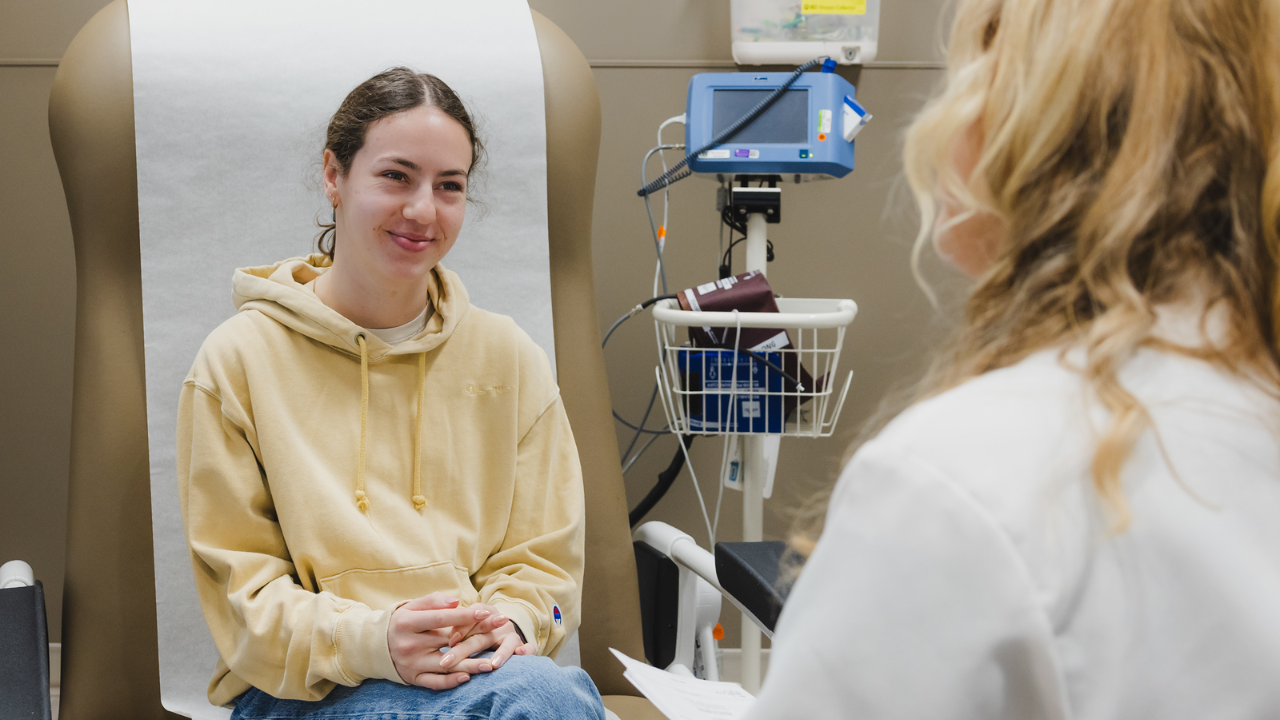
"Women are often very good at explaining away symptoms," shared Tsedey Biru-Williams, DO, a neurologist at UC Health's Waddell Center for Multiple Sclerosis. "They'll attribute fatigue to work, parenting or stress. They may think numbness is a pinched nerve or vision changes are related to screen time. Because the symptoms can be intermittent, people often don't realize they may be connected."

The challenge is that symptoms that seem unrelated may sometimes point to multiple sclerosis, or MS, a disease that affects the brain, spinal cord and optic nerves.
What is MS?

Multiple sclerosis, or MS, is a disease in which the immune system mistakenly attacks the protective covering around nerve fibers in the brain, spinal cord and optic nerves. Over time, that damage disrupts communication between the brain and the rest of the body, leading to symptoms such as numbness, vision changes, weakness, balance problems and fatigue.

MS affects every person differently, which is one reason it can be difficult to recognize. Some people experience mild symptoms that come and go, while others develop more noticeable changes that interfere with daily activities. 

Symptoms that deserve a closer look

MS symptoms can be surprisingly easy to overlook, especially because they often develop gradually or come and go over time.

Common symptoms include:

  • Ongoing fatigue
  • Numbness or tingling
  • Dizziness
  • Balance problems
  • Blurred or double vision
  • Weakness
  • Brain fog or trouble concentrating
  • Bladder issues

"A lot of the symptoms we see in MS are symptoms people experience in everyday life," Dr. Biru-Williams said. "The difference is when those symptoms are persistent, unexplained or keep coming back."

While most people experiencing these symptoms do not have MS, recurring neurological symptoms deserve medical evaluation, particularly when they affect vision, sensation, strength, balance or coordination.

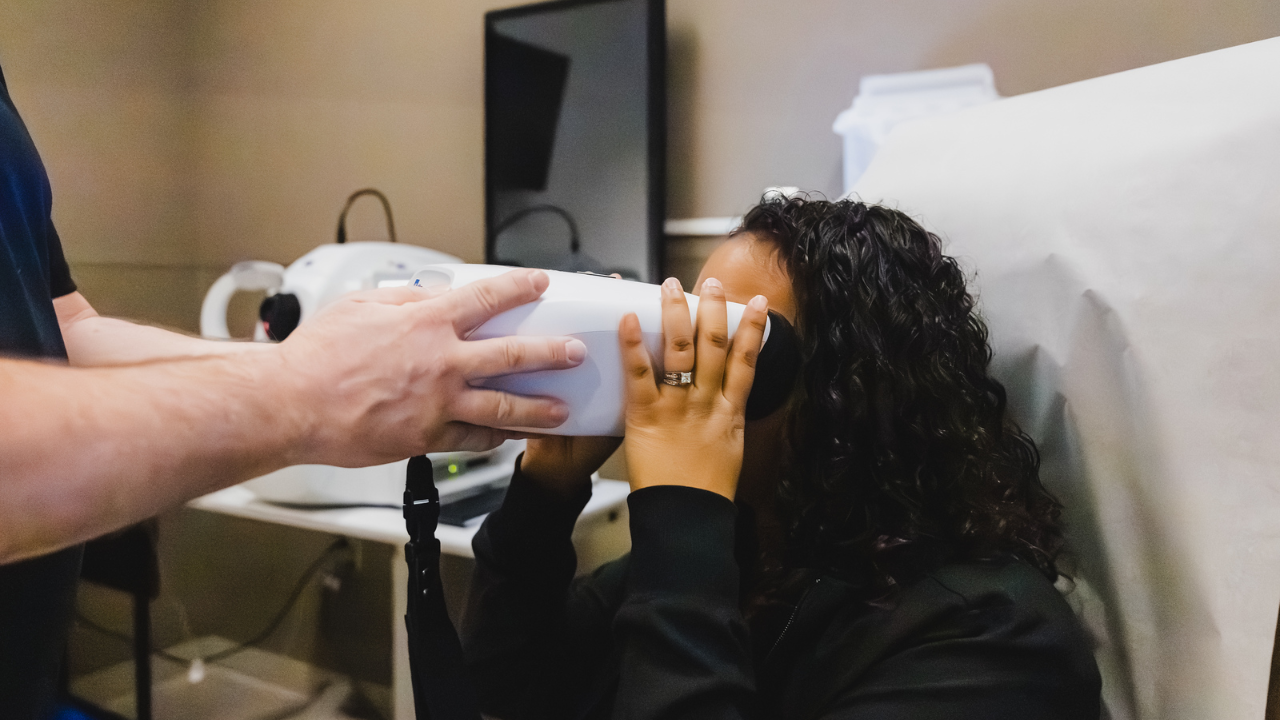
Woman uses portable fundus camera during testing in MS clinic

During an MS screening, your provider may use a specialized retinal camera to capture images of the back of the eye and look for changes that can be associated with MS.

Why early diagnosis matters

Today's treatments are changing what's possible for people living with MS.

"The good news is that we have many more treatment options than we did even a decade or two ago," Dr. Biru-Williams said. "With earlier diagnosis and treatment, we're often able to reduce relapses, slow disease progression and help patients maintain their quality of life for years to come."

Today, there are effective medications that can reduce relapses, slow disease progression and help protect long-term brain health. But those benefits often depend on recognizing the disease and starting treatment early.

"Our goal is to prevent future attacks before more damage occurs".

According to Dr. Biru-Williams, "once damage occurs in the brain, spinal cord or optic nerves, we can't always get that function back. That's why recognizing symptoms and starting treatment early can make such an important difference."

Closing the diagnosis gap for women of color

Researchers once believed MS primarily affected White individuals. Today, we know the disease affects people of all racial and ethnic backgrounds.

Research has shown that Black women may develop MS at least as frequently, and in some studies more frequently, than White women. Yet Black patients are more likely to experience delays in diagnosis, greater disability and barriers to specialty care.

"There's a misconception that MS only affects certain populations," Dr. Biru-Williams says. "We know that's not true. MS affects people from all racial and ethnic backgrounds, and it's important for everyone to recognize the symptoms and seek care when concerns arise."

Improving outcomes starts with awareness.

Women of all backgrounds should know that MS is a possibility when neurological symptoms persist or return. Earlier recognition, timely referrals and access to specialists can help reduce delays in diagnosis and treatment.

You don't have to figure it out alone

For many women, the biggest barrier isn't recognizing symptoms. It's finding time to prioritize their own health.

Between careers, caregiving responsibilities and the demands of daily life, symptoms like fatigue, brain fog or dizziness can be easy to dismiss. Yet seeking evaluation early may be one of the most important steps a woman can take to protect her future health.

At UC Health, patients have access to specialists who can help navigate diagnosis, treatment decisions, rehabilitation needs and long-term symptom management. Women who are diagnosed with MS may also benefit from support that extends beyond medications and medical appointments.

Through UC Health's partnership with the Osher Center for Integrative Health, patients can access resources that support overall well-being, including healthy lifestyle habits, movement, stress management and other approaches that complement medical care. For many people living with a lifelong condition, these services can play an important role in maintaining quality of life.

Managing MS often involves addressing both the disease itself and the day-to-day challenges that come with it. Access to a broader support network can help patients stay active, engaged and focused on what matters most.

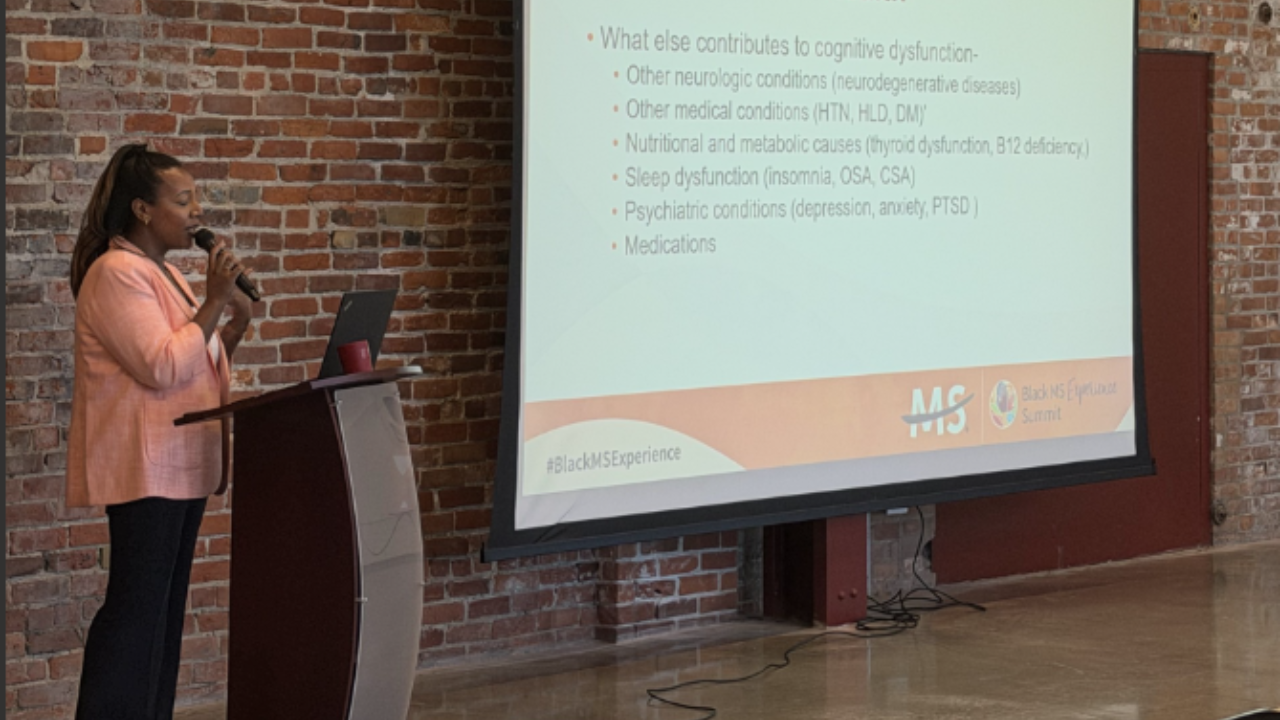
Dr. Tsedey Biru-Williams speaking

Dr. Tsedey Biru-Williams, a multiple sclerosis specialist and neurologist at the Waddell Center for Multiple Sclerosis in Cincinnati, pictured speaking at the National Multiple Sclerosis Society's Annual Black MS Experience community program. | Photo provided by Dr. Biru-Williams.

Specialized care for a lifelong condition

MS care goes far beyond medication.

Depending on a patient's needs, care may involve neurologists, rehabilitation specialists, physical and occupational therapists, vision experts, mental health professionals, urologists, nurses, social workers and women's health specialists working together to address the full impact of the disease.

At UC Health's Waddell Center for Multiple Sclerosis, patients have access to providers who focus specifically on MS and related autoimmune neurological disorders. The center offers specialty expertise, infusion services, clinical trial opportunities and team-based care designed to help patients maintain independence, quality of life and long-term brain health. 

Listen to your symptoms

"Earlier recognition and treatment can make a real difference," Dr. Biru-Williams shared. "The sooner we can identify what's causing someone's symptoms, the sooner we can connect them with the care and resources they need."

I like this because it also echoes the earlier discussion about diagnosis gaps and access to care.

If you're experiencing new, persistent or recurring neurological symptoms, don't assume they'll go away on their own. Contact your primary care provider promptly and let them know about any changes affecting your vision, sensation, strength, coordination or balance. Documenting symptoms and communicating concerns through My UC Health (MyChart) can help your care team determine the most appropriate next steps.

Early evaluation may help identify conditions such as MS sooner, when treatment can be most effective.

New patients looking for a primary care provider can call UC Health Primary Care at 513-475-8001. Existing patients of the Waddell Center for Multiple Sclerosis can call 513-475-8730 with questions about their care.

x