Wellness

Why pregnancy can trigger severe hip and back pain

Oct. 21, 2026

Pregnancy can cause significant hip, pelvic and back pain, but pregnant women do not have to push through it. Read more from Dr. Victoria Heasley to understand what is happening and what treatment options can help bring relief.


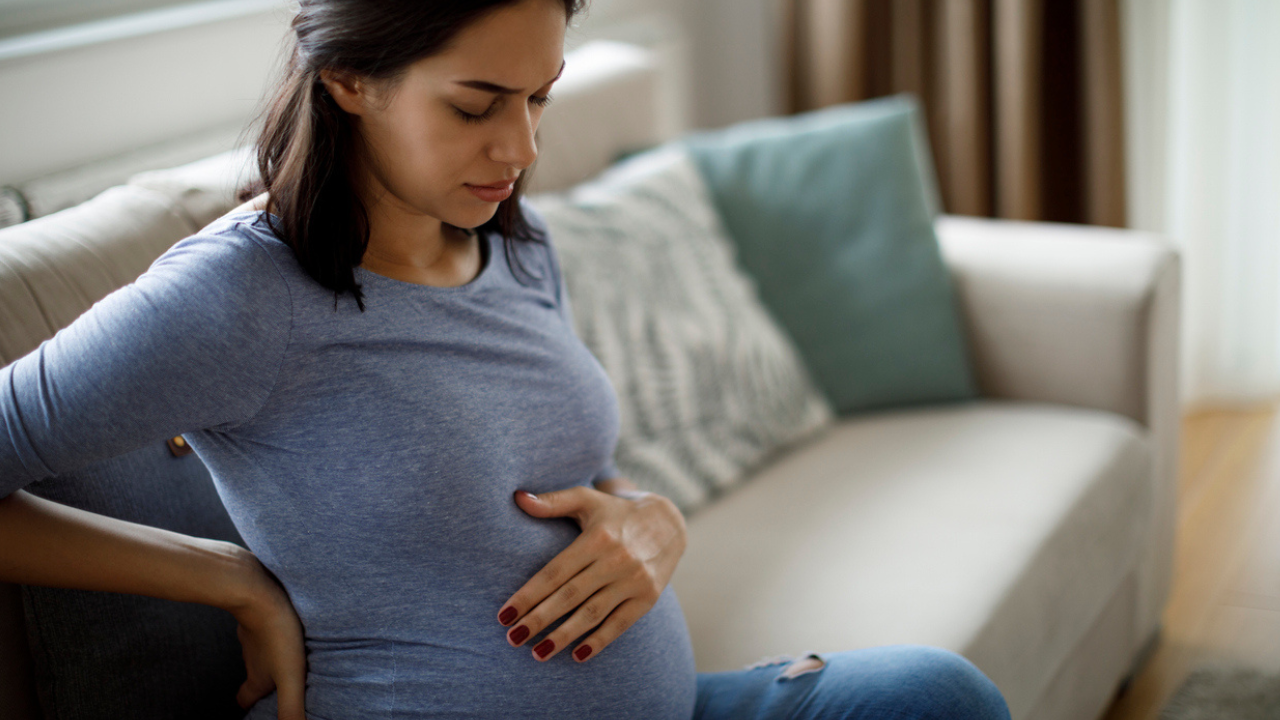
Pregnant woman sitting on the couch with back pain

Pregnancy can cause significant hip, pelvic and back pain, but pregnant women do not have to push through it. Read more from Dr. Victoria Heasley to understand what is happening and what treatment options can help bring relief. 

  • Severe hip, pelvic or back pain in pregnancy is common—and real. It is often caused by normal body changes like loose ligaments and shifting balance.  
  • Most pain is treatable without surgery. Physical therapy, movement changes and sometimes injections can safely reduce pain during pregnancy.  
  • You do not have to “push through” severe pain. Care from Women’s Care and Orthopaedics can help you move and feel better during pregnancy. 

Through coordinated care between UC Health Women’s Care and Orthopaedics & Sports Medicine and the UC Gardner Neuroscience Institute’s Back, Neck & Spine Center, pregnant patients can get help  that is customized to their needs 

Our team at the Back, Neck & Spine Center believes spine care is never one-size-fits-all. We see you as a person first, listening to what matters most to you and building a plan together. Hip and back pain during pregnancy: What’s really going on? 

Pregnancy changes your body in many ways. Some changes are expected. But many women are not told how much these changes can affect pain, movement and daily life. 

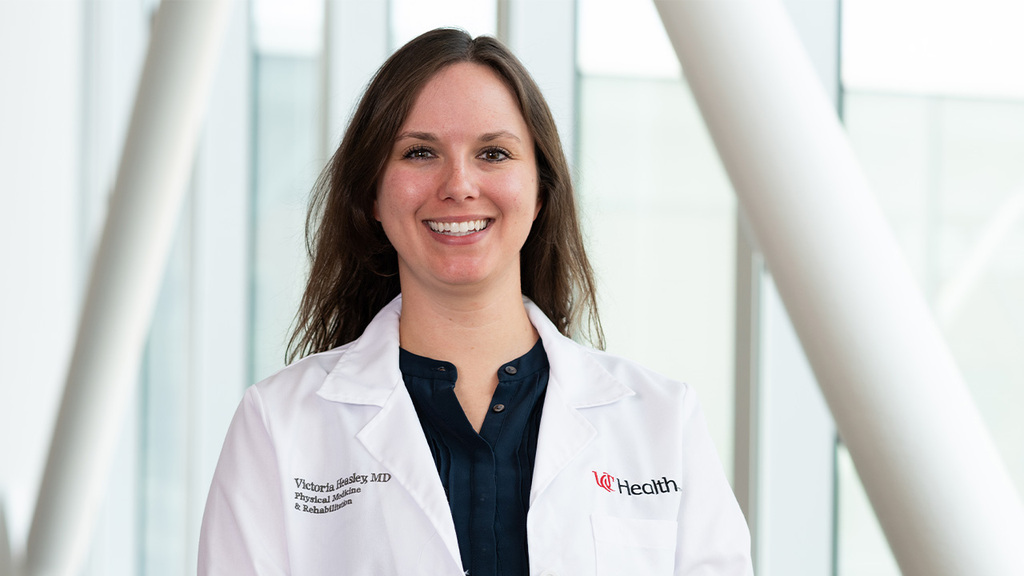
Victoria Heasley, MD, is a physical medicine and rehabilitation and sports medicine specialist who focuses on musculoskeletal pain, movement problems and non-surgical treatment options.  

“Pregnancy is a multi-system physiological adaptation, and this can change how your body moves and handles stress,” Dr. Heasley explains. 

If you are dealing with hip, pelvic or low-back pain during pregnancy, you’re not imagining it. Your pain is real. And there is a reason for it. 
What is happening inside your body

During pregnancy:

  • A hormone called relaxin loosens ligaments
  • Joints become less stable 
  • Your center of gravity shifts forward 
  • Your core and pelvic muscles work harder 
  • Your balance changes

What this feels like

Many women describe

  • Sharp pain in the hips or pelvis 
  • Low back pain with walking or standing  
  • Pain when rolling over in bed
  • Feeling “unstable” or “off balance” 
  • Trouble staying active or exercising 

This is not in your head. It is your body adapting in real time.

Common causes of hip and back pain in pregnancy

SI joint pain (very common)

One of the most overlooked causes of pregnancy pain is the SI joint (sacroiliac joint), which links the lower spine to the pelvis.

“What surprises patients most is learning the pain may be coming from the SI joint rather than the spine or the hip itself,” Dr. Heasley explains. 

Other common conditions

Pregnancy can also trigger

  • Low back pain
  • Greater trochanteric pain syndrome (outer hip pain)
  • Carpal tunnel syndrome
  • De Quervain’s (wrist pain) 
  • Trigger finger 
  • Nerve pain in the thigh (meralgia paresthetica)  

All of these are real, physical conditions—and many are treatable.

When pregnancy pain is more than “normal”

Mild soreness can be a normal part of pregnancy. But pain that changes how you move, walk, sleep or function is different.  

Dr. Heasley explains, “Musculoskeletal pain in pregnancy is often undertreated. If pain increases, activity often decreases—and that can affect overall health.”

If you are avoiding stairs, struggling to get out of bed or feeling like every step hurts, that is your body signaling that something needs attention—not something you should just endure.  

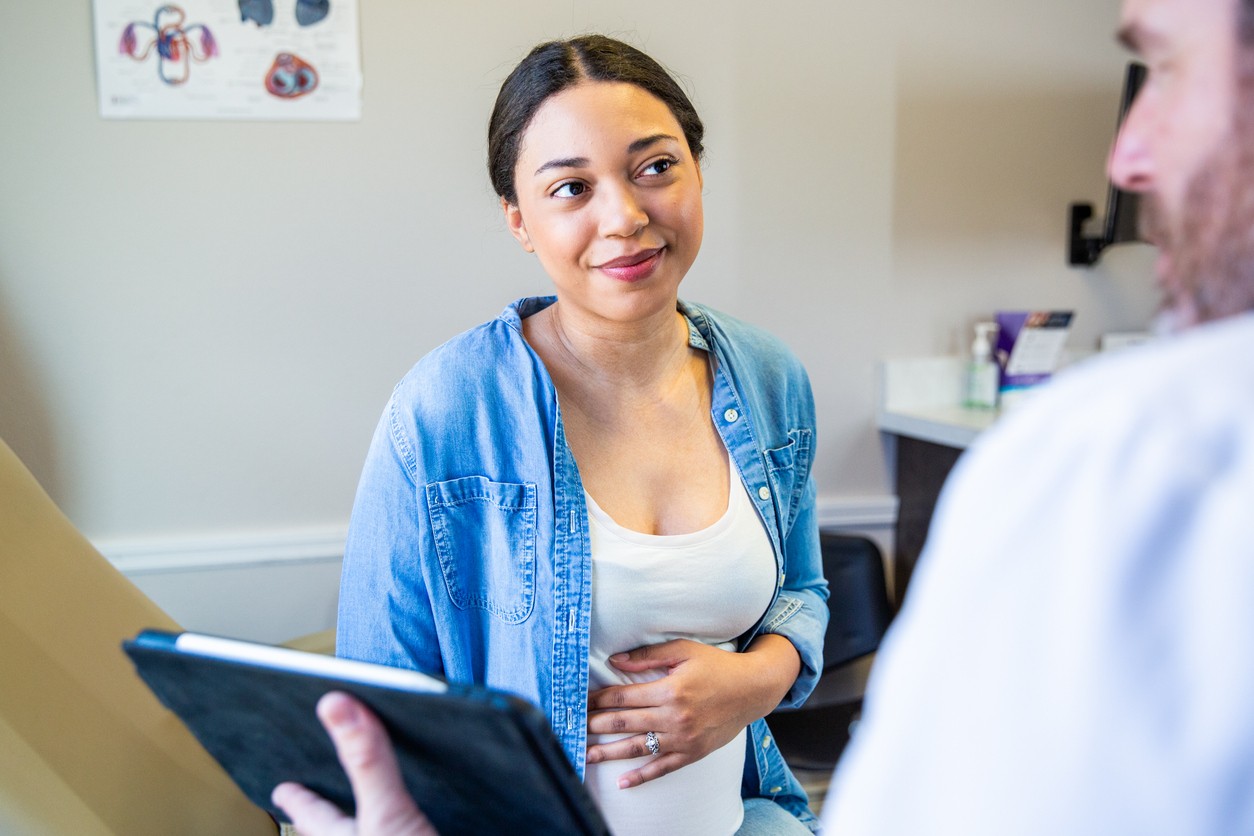
Pregnant woman at the doctors

Where to start if you're in pain

1. You start with your OB/GYN visit

At your regular pregnancy appointment, talk openly about

  • Hip, back or pelvic pain
  • Difficulty walking or sleeping 
  • Changes in activity level 
  • Concerns about staying active safely 

Your OB/GYN will listen and help identify when pain may be musculoskeletal (muscle, joint or nerve-related). 

2. Your OB/GYN connects you to the right specialist

If your symptoms suggest a musculoskeletal cause, your OB/GYN can refer you directly to Orthopaedics or Sports Medicine. 

  • Your records are shared 
  • Your pregnancy status is clearly known  
  • Your OB team stays involved in your care plan 
  • Everyone is working toward the same goal: Keeping you safe and comfortable 

3. Orthopaedics evaluates the source of pain

A musculoskeletal specialist (like Dr. Heasley) focuses on: 

  • Identifying the exact pain source (often the SI joint or pelvis) 
  • Understanding how pregnancy is changing movement patterns 
  • Creating a safe, pregnancy-specific treatment plan 

This may include physical therapy, bracing or other non-surgical options—and in some cases, injections when appropriate. 

4. Your OB and Orthopaedics team stay connected

Throughout your care:

  • Providers communicate directly 
  • They share treatment decisions with one another 
  • Pregnancy safety is always considered first 
  • You make adjustments together as your body changes 

This coordinated model helps ensure that both you and your baby are supported at every step.

How pregnancy hip and back pain is treated

Step 1: Start with conservative care

Most treatment begins with

  • Physical therapy
  • Gentle movement changes 
  • Activity modifications 
  • Bracing or support tools 

Step 2: If needed, more targeted treatment 

If pain continues, providers may consider

  • Image-guided injections 
  • Targeted joint or nerve treatments 
  • The goal is always the same: reduce pain and restore safe movement 

Are steroid injections safe during pregnancy?

This is one of the most common questions patients have when pregnancy pain becomes severe. 

Considerations for steroid injections in pregnancy

This is one of the most common questions patients have when pregnancy pain becomes severe. 

The short answer is: in some cases, yes—but only when carefully planned and coordinated with your pregnancy care team. Dr. Heasley describes these steps to determine if this is a recommended course of treatment: 

  • Start with other treatments first (like physical therapy, movement changes and bracing) before considering injections 
  • Timing matters: avoid in the first trimester; may be considered in the second and third trimester when medically appropriate and coordinated with OB care 
  • Health factors matter: some patients may need monitoring of blood glucose or blood pressure after injection, depending on their pregnancy risks 

How the body protects the baby

There is a natural protective system in pregnancy that helps reduce the amount of steroid exposure to the baby. Inside the placenta, there is an enzyme called 11beta-HSD2.

This enzyme

  • Converts active steroids into inactive forms  
  • Helps limit fetal exposure to cortisol and similar medications 
  • Acts as a natural “filter” between mother and baby 

This is one reason steroid injections can sometimes be considered when medically appropriate.

Dr. Heasley

You do not have to “push through” severe pain

Many pregnant patients say the hardest part is not just the pain—it’s feeling dismissed.

A turning point often happens when they hear:

“This is real. And we understand why it is happening.”

Dr. Heasley shares: “There is often a moment when patients feel especially relieved—when they feel heard and understand that what they are experiencing is real and treatable.”

Getting help for hip and back pain in pregnancy

If you are struggling with pain during pregnancy, you deserve care that understands what your body is going through.

With support from UC Health Women’s Care, Orthopaedics & Sports Medicine and the UC Gardner Neuroscience Institute’s Back, Neck & Spine Center, treatment can help you: 

  • Move with less pain 
  • Stay safely active 
  • Sleep and function better 
  • Feel more in control of your body again 

You’re not meant to go through pregnancy pain alone—and you don’t have to.

Where to start for pregnancy hip and back pain

You don’t have to figure out the “right place” to go. At UC Health, your care is connected across teams so you can start anywhere—and still get to the right help.

Whether you begin with pregnancy care, orthopaedics, or back, neck and spine specialists, your providers work together through shared records and coordinated decision-making.

x