Patient Stories

She Refused to Give Up: One Mom's Colorectal Cancer Journey

Aug. 3, 2026

Mary’s care at UC Health kept her life moving forward. Now, she works for the team that saved her.


Mary Toennis, her husband and two children smile together.

Throughout her cancer journey, Mary leaned on the love of her family and the support of a care team that became part of it. | Photo provided by patient.

  • What seemed like a routine pregnancy-related symptom led to Mary’s life-changing colorectal cancer diagnosis. 
  • Through recurrence, recovery and countless challenges, a coordinated team of specialists worked together to help her keep moving forward. 
  • Today, she helps patients facing cancer find hope when they need it most.

The University of Cincinnati Cancer Center offers colorectal cancer care ​that keeps your life moving forward​. Call 513-585-8222

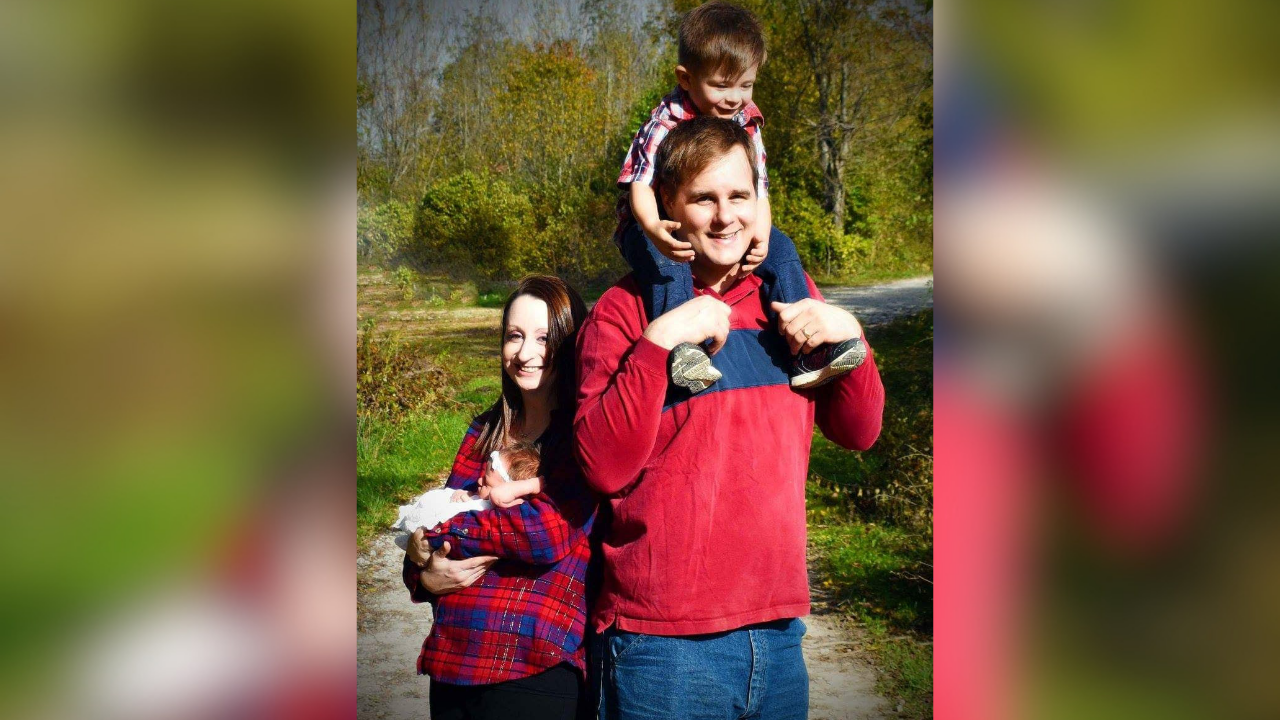
A family portrait of Mary, her husband and their two young children, taken shortly before her diagnosis.

Mary with her husband, newborn daughter and toddler son shortly before her cancer diagnosis. | Photo provided by patient.

A life-changing colorectal cancer diagnosis

Near the end of her pregnancy in 2017, Mary Toennis noticed a swollen lymph node in her groin. Her physicians initially believed it was pregnancy related.

But after her daughter was born, it didn’t go away. A biopsy revealed cancer.

“I remember exactly where I was when they told me,” Mary said. “Everything just got quiet.”

At 36 years old, Mary suddenly found herself facing colorectal cancer while caring for a newborn daughter and a two-year-old son.

Because she was diagnosed before age 50, Mary’s diagnosis was young-onset colorectal cancer.  It’s a diagnosis that’s on the rise, as more and more younger adults are being diagnosed with this disease. Unlike many older patients, younger adults are often in the midst of building careers, raising families and planning for the future when cancer suddenly disrupts every aspect of their lives.

Because she is adopted, Mary had no family history to help explain why this was happening.

“I felt like my world was crashing in,” she said. “It’s terrifying.”

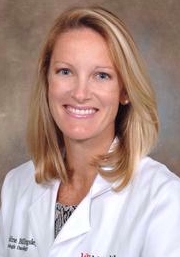
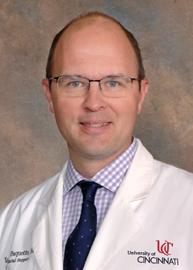
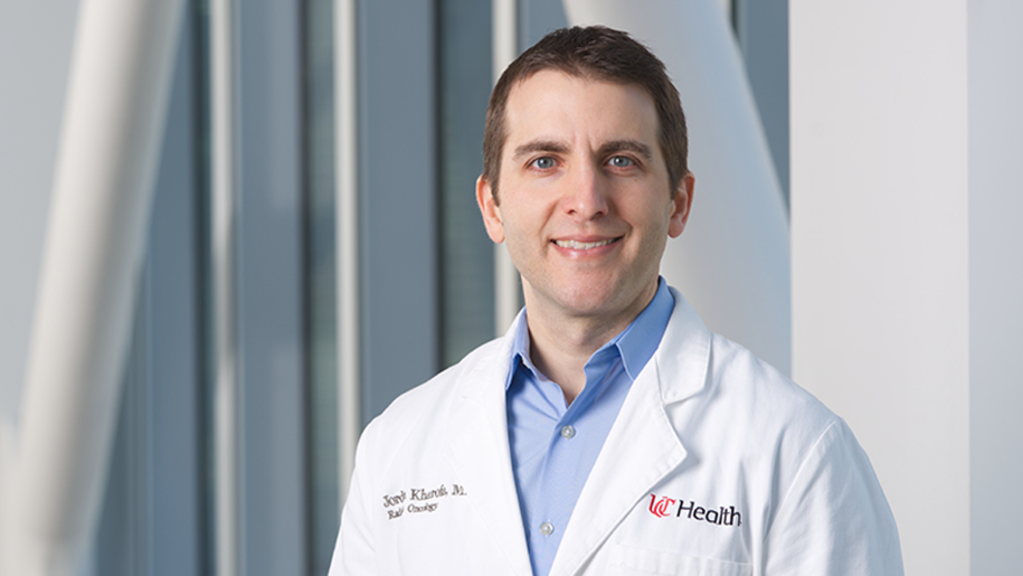
Mary was referred to surgical oncologist Caroline Billingsley, MD, who discovered her tumor during an examination. Within days, she met colorectal cancer surgeon Ian Paquette, MD, radiation oncologist Jordan Kharofa, MD, and the rest of her multidisciplinary care team.

Chemotherapy and radiation began quickly. Though both treatments caused challenging side effects, Mary kept moving forward. 

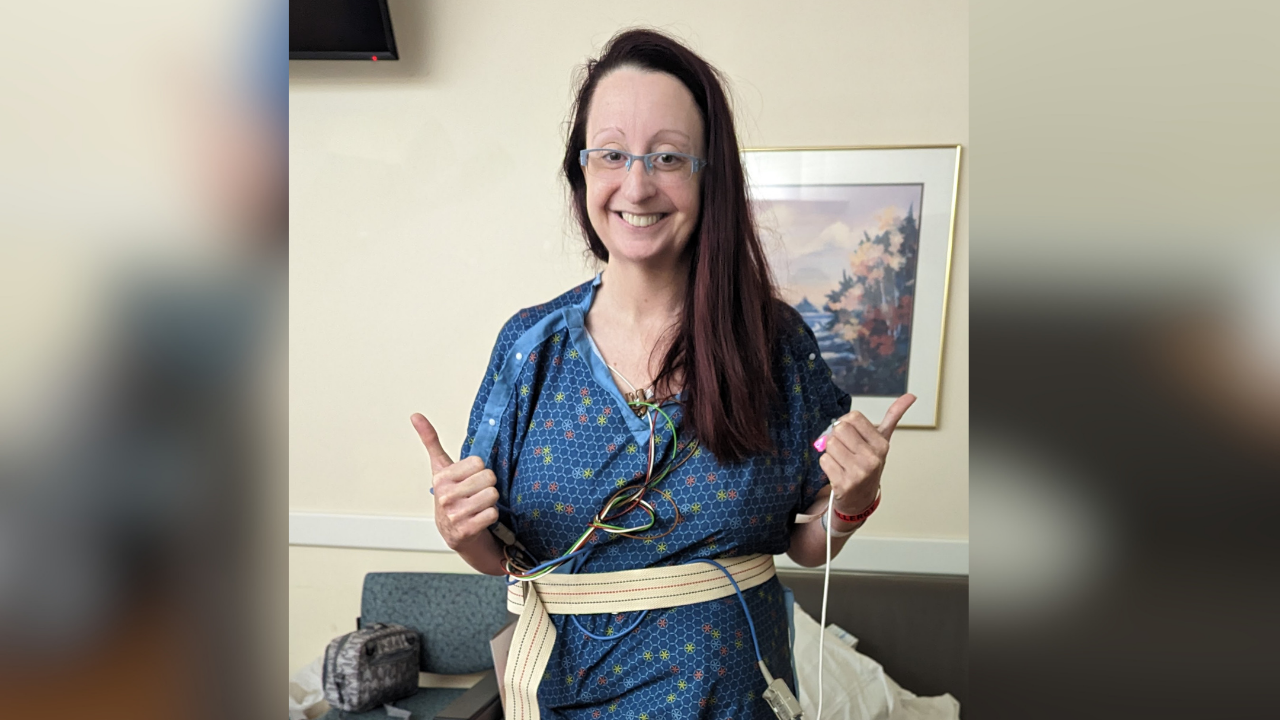
Throughout treatment, Mary remained committed to moving forward, one step at a time. | Photo provided by patient.

One team, one goal

One of the first things Mary noticed was how quickly her care became coordinated.

“I went from having one doctor to having five,” she said. “Knowing they were all part of my team made all the difference.”

For Dr. Paquette, that collaboration is essential.

“Nobody can do this alone,” he said. “One of the great things about being part of a cancer center like this is that we have all the specialists with the expertise to help in their own way.”

The initial treatment worked, and Mary entered remission.

Then, in 2022, the cancer returned.

Dr. Paquette performed surgery to remove her rectum and create a permanent stoma through a colostomy procedure. Once again, there was hope the cancer was behind her.

Just one year later, it came back again.

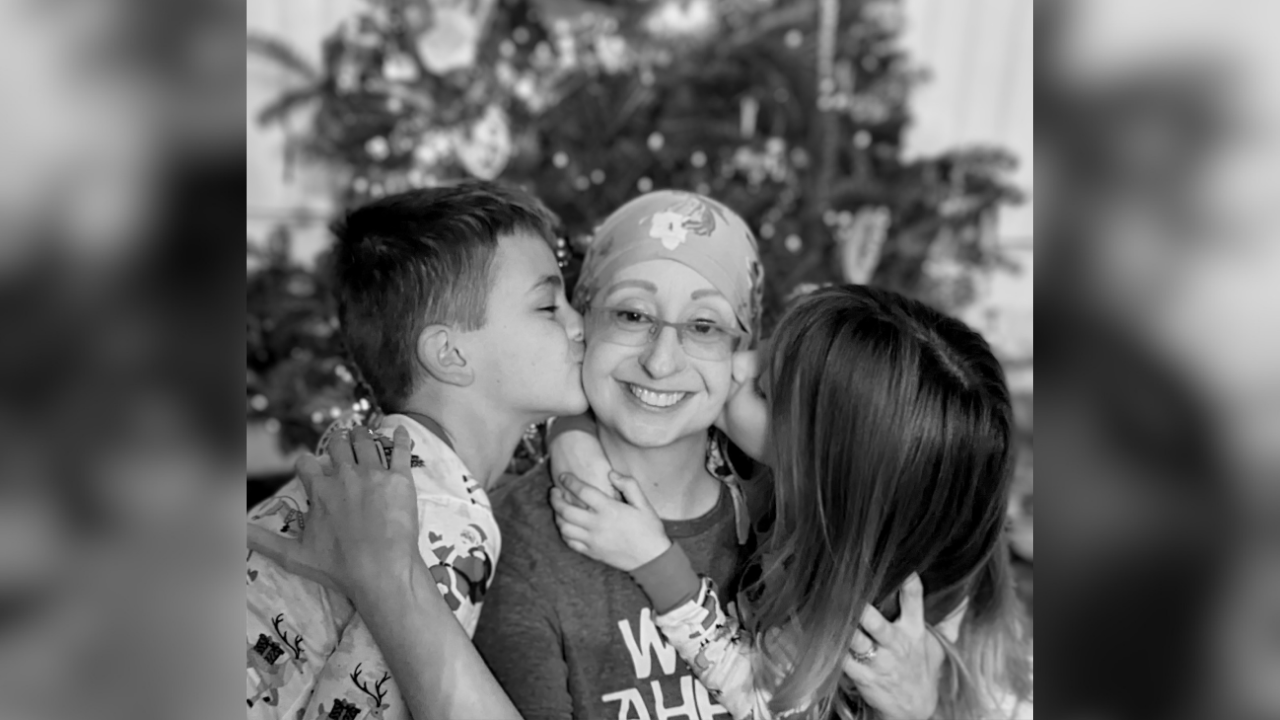
Mary gets kisses on the cheek from her children in front of the Christmas tree

Surrounded by the love of her family, Mary celebrates Christmas during her cancer journey. | Photo provided by patient.

The hardest chapter

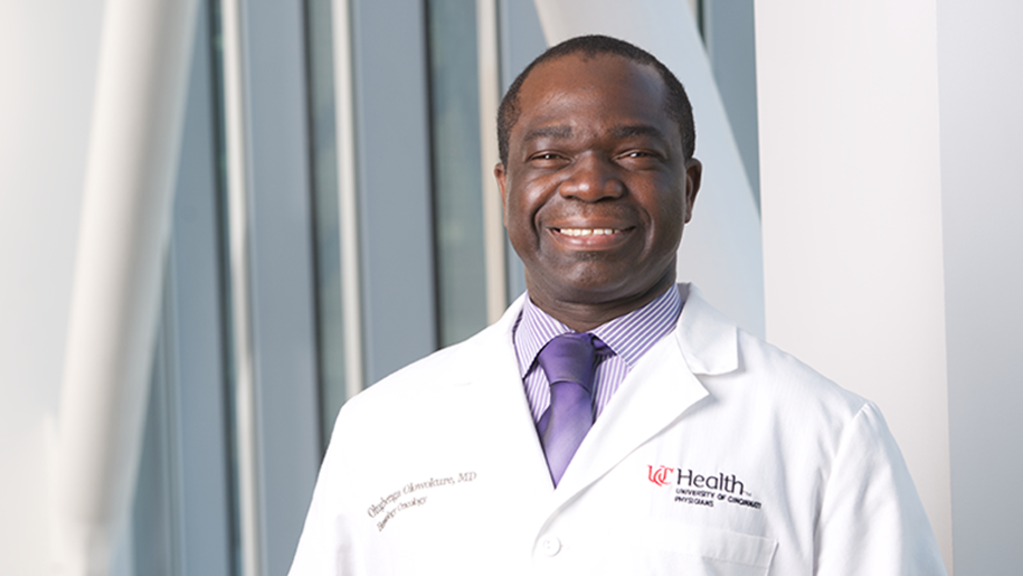
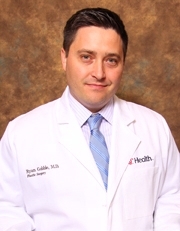
Mary’s physicians assembled an even larger team that included colorectal surgeon Dr. Paquette, gynecology oncologist Dr. Billingsley, medical oncologist Olugbenga Olowokure, MD, plastic surgeon Ryan Gobble, MD and urologic surgeon Mohamed Kamel, MD.

Together, they recommended a pelvic exenteration, the removal of pelvic organs and bones one of the most complex operations performed for advanced pelvic cancers.

Two days before surgery, Mary received another phone call she will never forget.

Her bladder would also need to be removed.

“I thought, ‘Game over,’”

“How am I going to do this?”

The operation lasted 12 hours.

When she woke up, she had two ostomies, one bowel and one urinary. She later underwent skin grafting, lost her hair during chemotherapy, and had to learn how to navigate a body that looked completely different than it had before.

“My life as I knew it was forever changed.”

“I had days where I wanted to give up.”

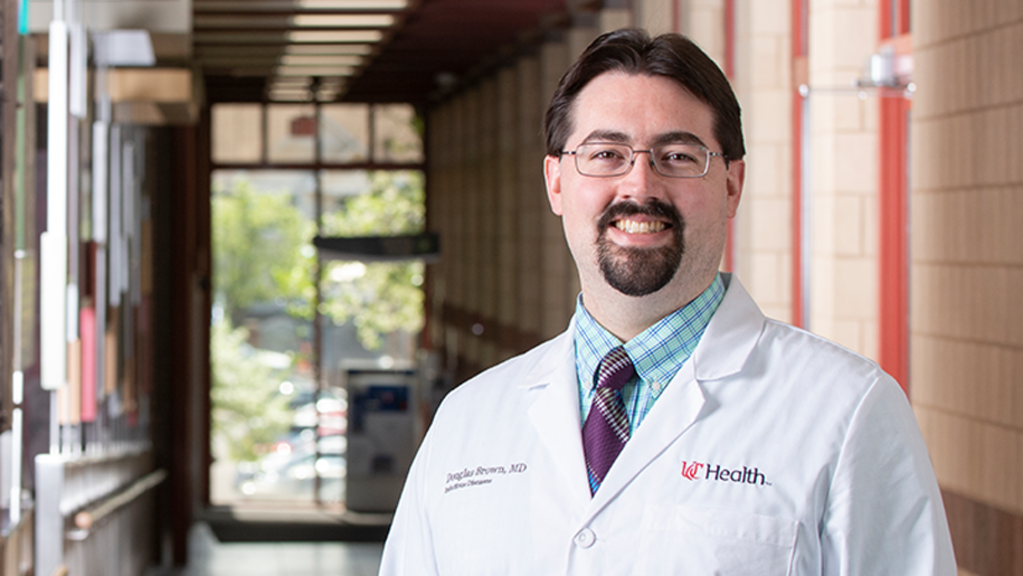
Recovery brought additional challenges. Mary was hospitalized with sepsis at least six times as infections repeatedly threatened her recovery. Today, she continues to receive care from infectious disease specialist Doug Brown, MD, and undergoes ureteral stent exchanges every six weeks with interventional radiologist Doan Vu, MD.

Yet despite every setback, her care team never stopped searching for solutions.

“They never quit fighting for me,”

Mary says.
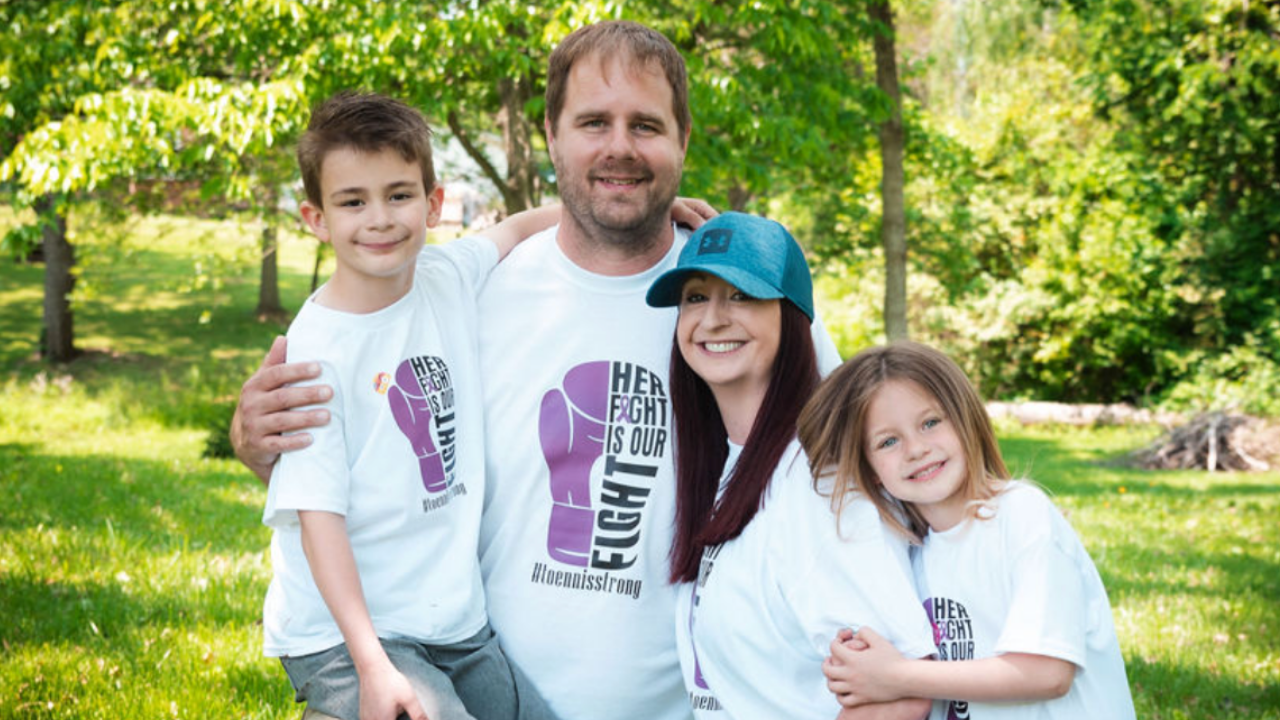
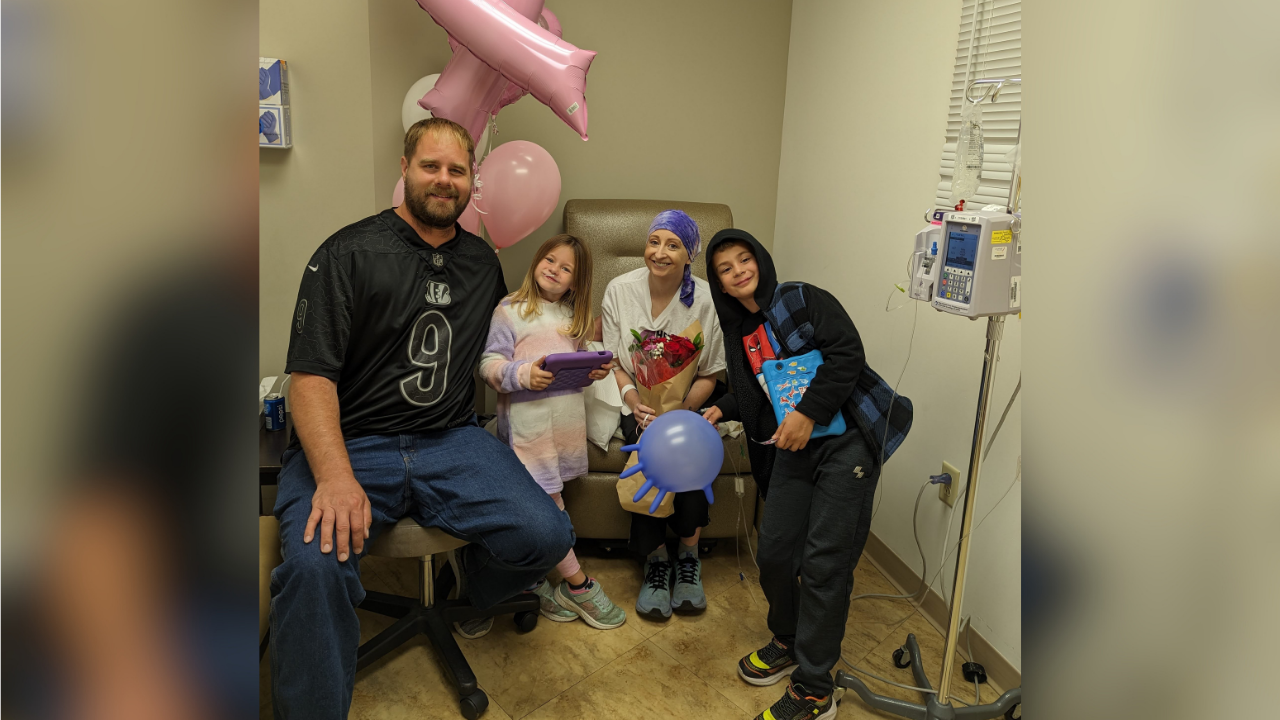
Mary and her family during a treatment.

Mary's husband and children support her during treatment. | Photo provided by patient.

Finding her way back

Throughout her recovery, one thought never left her mind.

“I wanted to get back to work,”

“I wanted to help other people going through this.”

Little by little, that became possible.

Today, Mary is cancer free.

She still manages two ostomies. She still requires ongoing medical care. But cancer no longer defines her life.

She’s back to raising her children. Back to spending time with her family. Back to helping patients. Back to living.

“Cancer changed my body,”

“But it didn’t take away who I am. Looking back, I don’t think about everything cancer took from me. I think about everything this team helped me get back.”

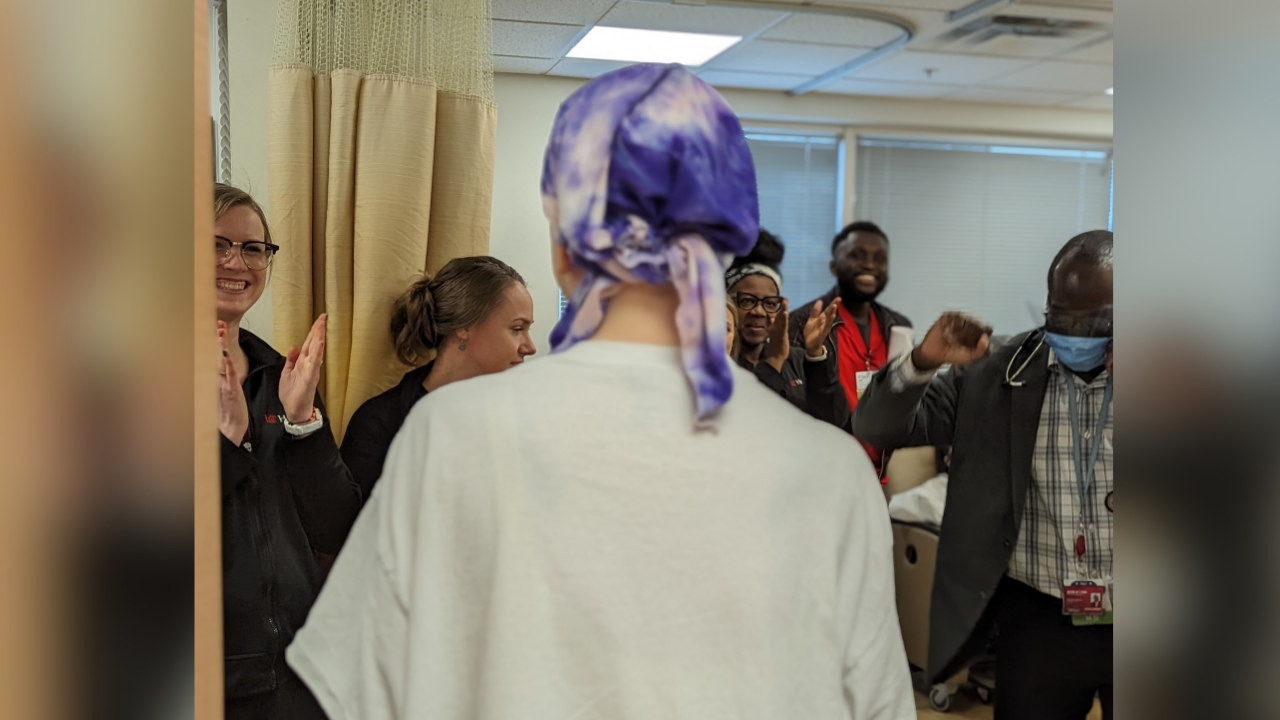
Mary's UC Health care team celebrates with her and her family as she rings the bell marking her final treatment.

Mary's UC Health care team celebrates with her and her family as she rings the bell marking her final treatment. | Photo provided by patient.

‘I’ve been there'

Today, Mary works in the very oncology department that treated her.

Sometimes a patient quietly asks whether anyone can truly live a normal life after an ostomy.

Mary smiles.

“I have two ostomies,”

she tells them.

Most are shocked.

“You’d never know.”

That’s exactly what she hopes they’ll see.

She helps patients choose supplies, answers questions she once had herself and reassures people who are scared about what comes next.

“I’ve been there,”

“And there is hope.”

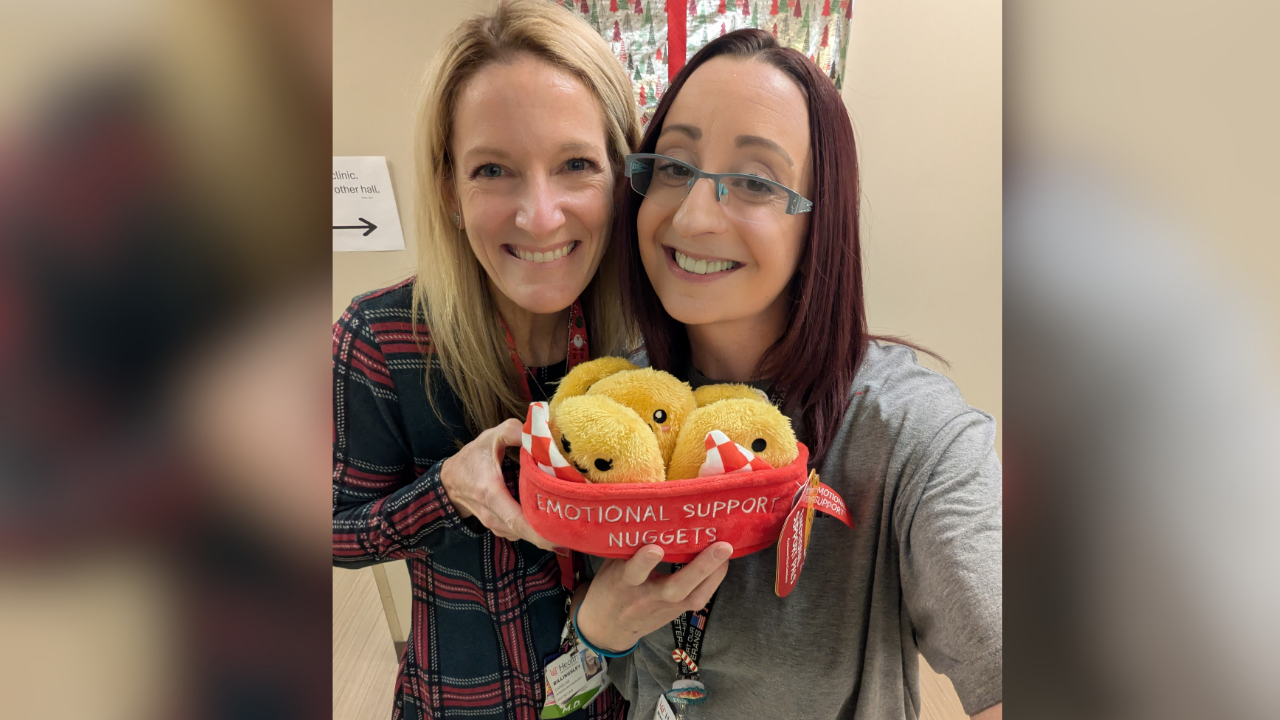
Dr. Billingsley and Mary smile together with "Emotional Support Nuggets"

Mary smiles with Dr. Billingsley, whose relationship with Mary and her family began during treatment and continues today as colleagues. | Photo provided by patient.

Hope for the next patient

Looking back, Mary says the greatest gift wasn’t simply surviving cancer.

It was having a team that never lost sight of the life she wanted to return to.

“I’ve never felt like just a patient,”

“I’ve always felt like family.”

Her children know the names of the physicians who saved their mother. Her family still prays for them. Many have become like extended family.

Dr. Paquette says stories like Mary’s remind the team why they do what they do.

“We meet patients at the worst time in their lives,”

“Our job is to get them through the cancer journey and back out into the world.”

Mary is doing exactly that.

Every hallway she walks. Every patient she encourages. Every smile she shares.

They are reminders that colorectal cancer care is about more than treating a disease. It’s about helping people keep their lives moving forward.

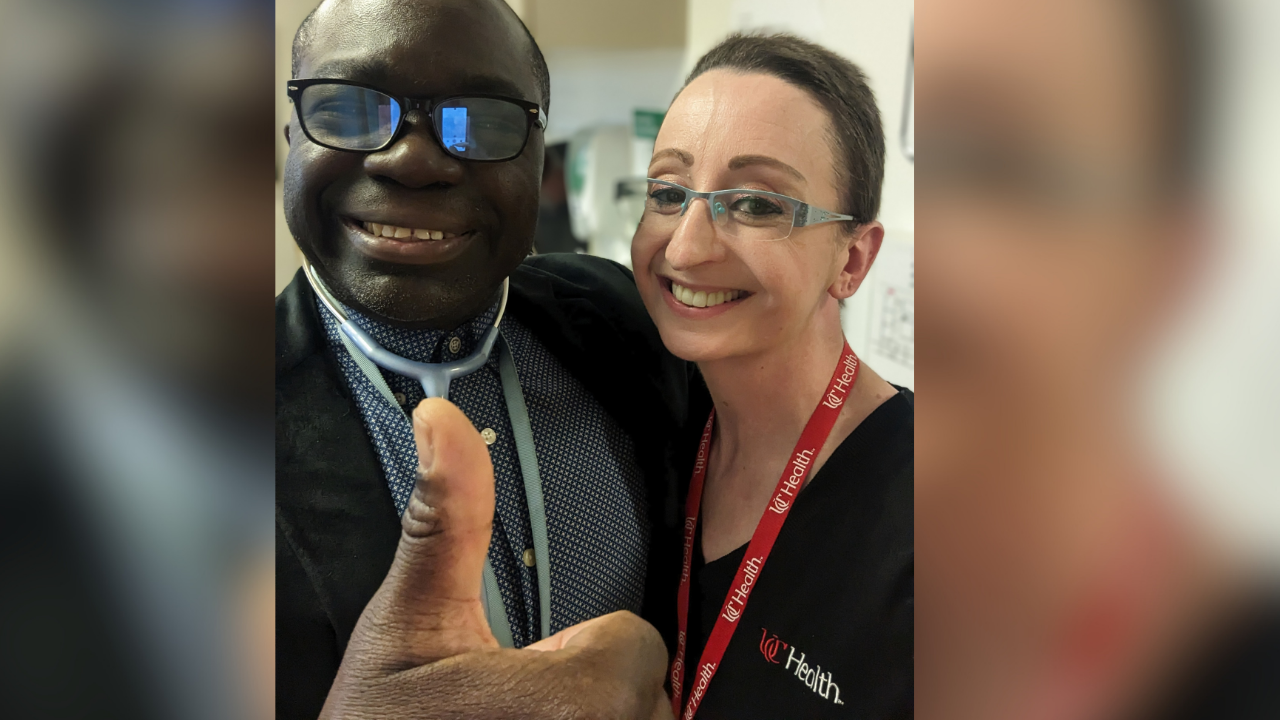
Mary and Dr. Olugbenga Olowokure smile together today

Today, Mary works alongside Dr. "Benga" Olowokure, who cared for her as part of her treatment team.

Mary’s message

“To anyone hearing the words, ‘You have cancer,’ please know this: there is hope. It may feel like your world has stopped, but it hasn’t ended. Lean on your family. Lean on your care team. Let people help you because you’re not alone.”

“I’m living proof that there is life after cancer. Today, I get to tell patients every day, ‘I’ve been there.’ And I can also tell them something just as important: there is hope.”

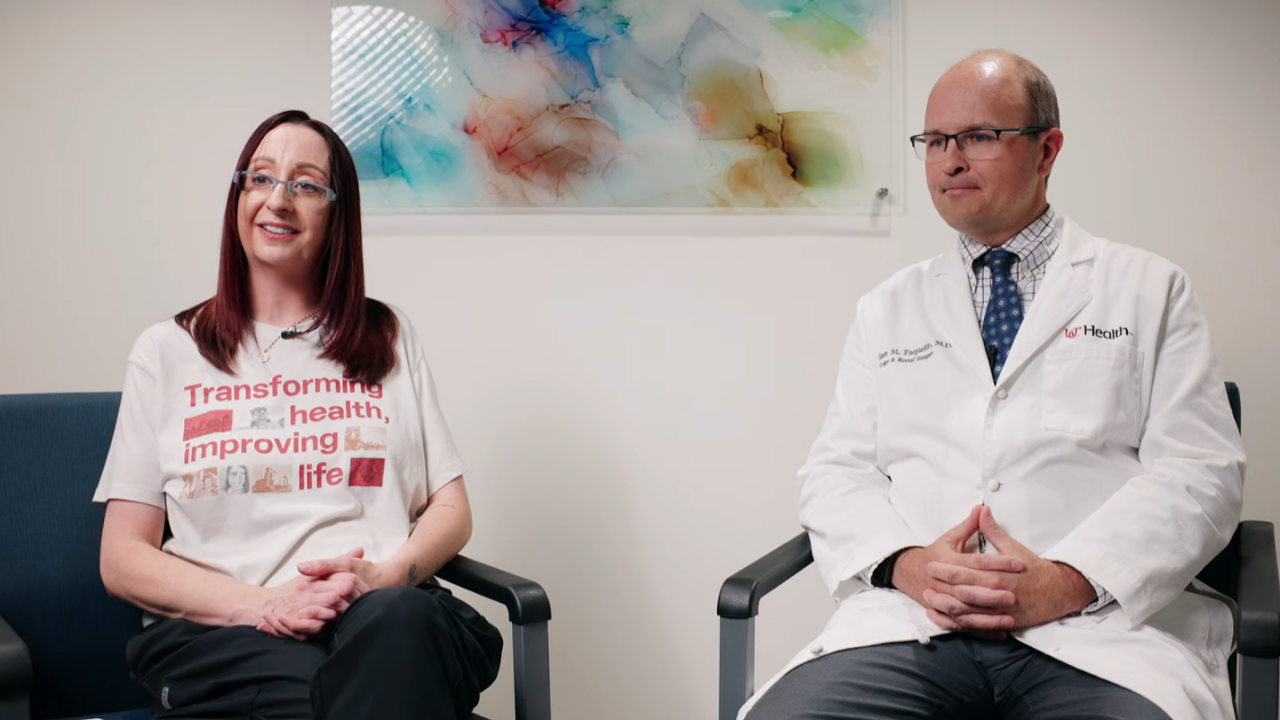
Mary Toennis and Dr. Paquette talk about her cancer journey

Mary speaks with Dr. Paquette about her cancer journey.

Why the University of Cincinnati Cancer Center for colorectal cancer care

The University of Cincinnati Cancer Center is the region’s most comprehensive cancer center.

Patients have access to nationally recognized specialists, innovative clinical trials and coordinated multidisciplinary care designed around each individual’s needs and goals.

About the Young-Onset Colorectal Cancer Program

Being diagnosed with colorectal cancer during the prime of your life can interrupt everything: careers, young families, future plans and the routines that make up everyday life.

The Young-Onset Colorectal Cancer program, specialists in colorectal surgery, medical oncology, radiation oncology, genetics, nutrition and supportive care work together to create personalized treatment plans that address not only the cancer, but also the patient’s quality of life and future goals.

Call 513-585-8222 to schedule an appointment.

x