Prioritizing Self-Care with Integrative Health for Multiple Sclerosis
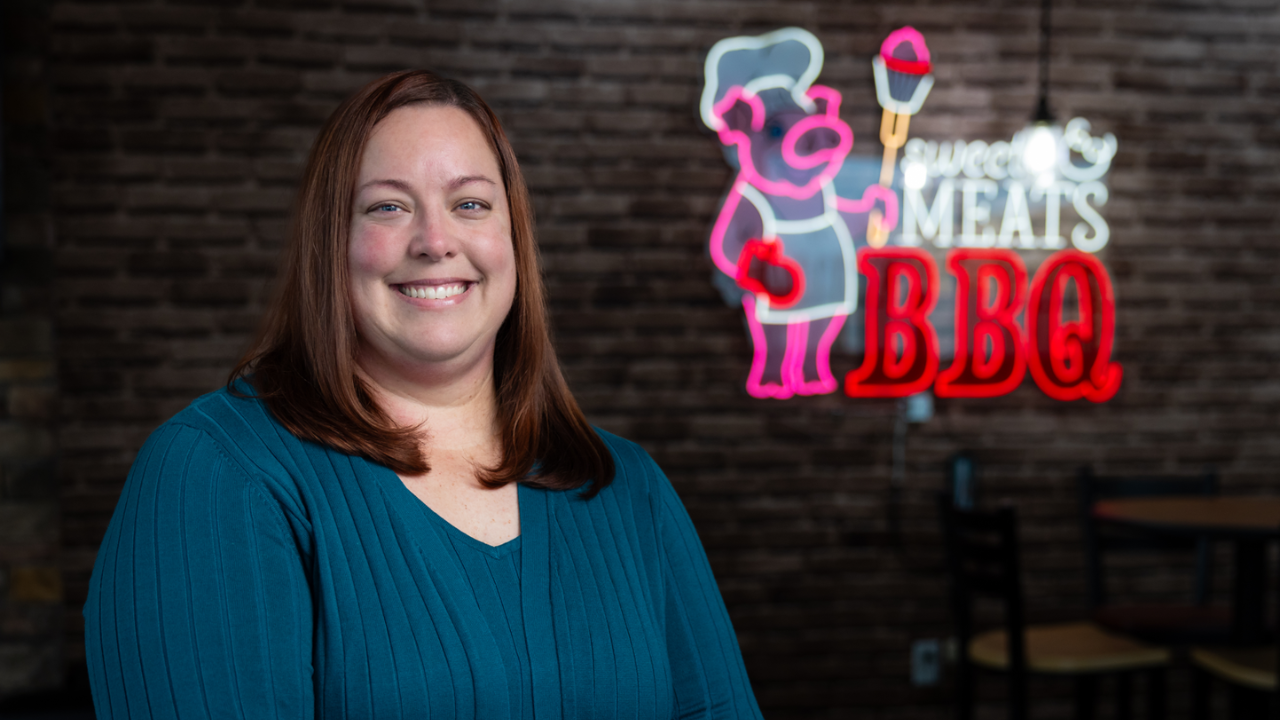
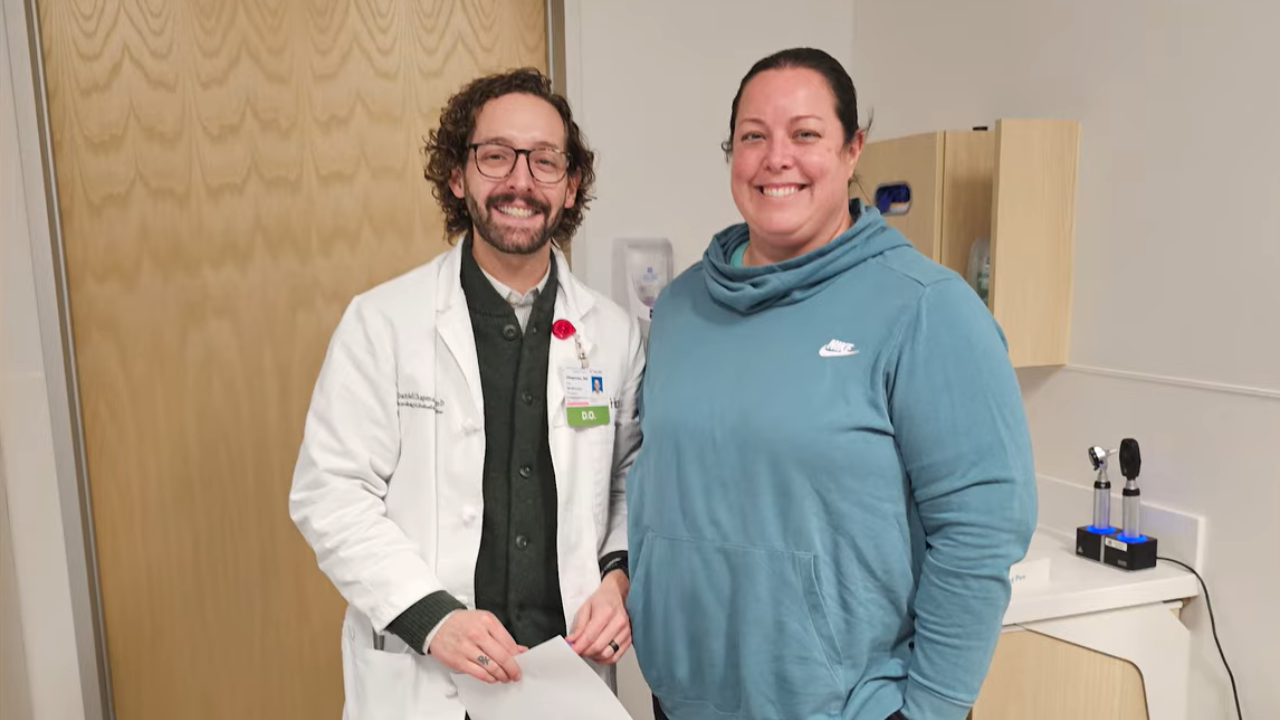
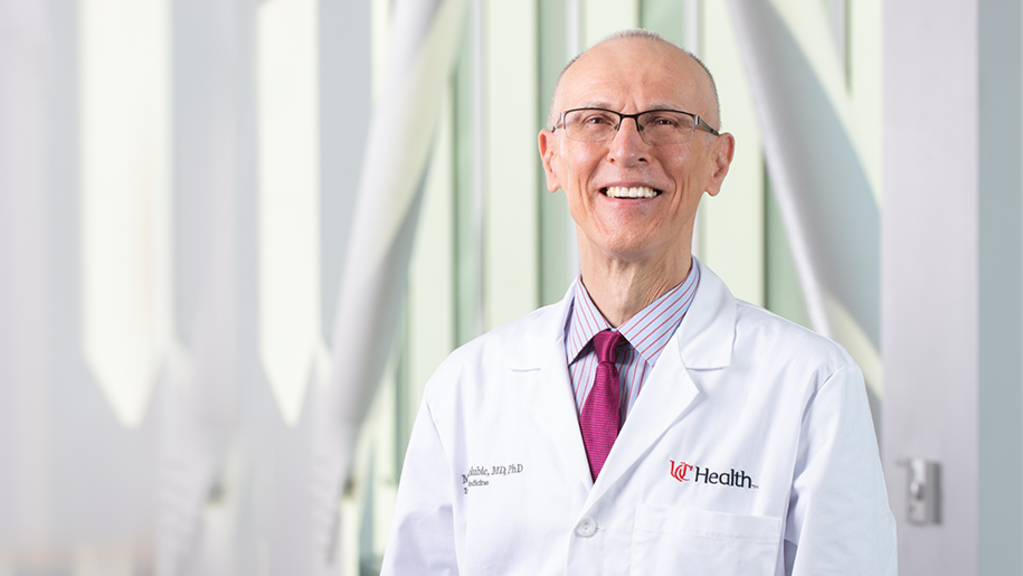
Upon Dr. Chapman’s recommendation, Kristen met with Mladen Golubic, MD, PhD, who is the Medical Director of the Osher Center for Integrative Health. She was newly diagnosed with MS. She was running a restaurant and catering business with her partner. Stress was constant. Sleep was poor. Chronic pain added another layer of strain.
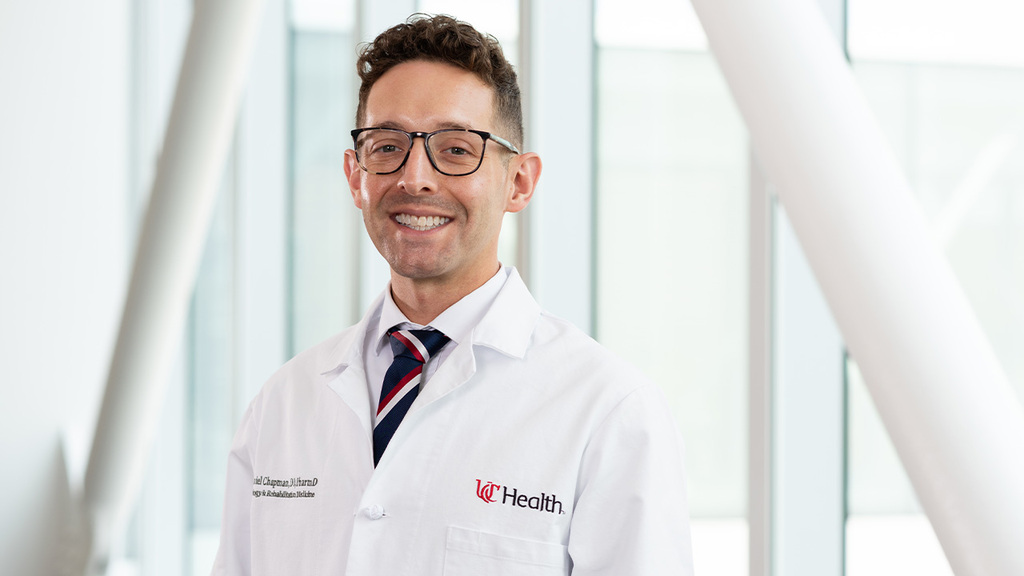
“I told her she needed to manage her stress and discussed what we have available. I said, let's see what these other resources are. She was also somebody who wasn't thrilled about taking a bunch of medications, which is very reasonable. And, unfortunately, there are limitations to the medicines that we use to manage symptoms”, Dr. Chapman shared.
“And so, I said, we will have medications for when it's necessary. But let's use these other integrative approaches to manage your symptoms a little bit better. And she's really utilized that.”
Dr. Golubic remembers how overwhelmed she felt. “You can have highly successful people who are capable of doing incredible things,” he said. “But when it comes to prioritizing self-care, that can be the biggest challenge. What usually gets done is what has the highest priority.”
“I was making lists every single day,” Kristen said. “Lists for my business, lists for my family — and I was never on the list.”
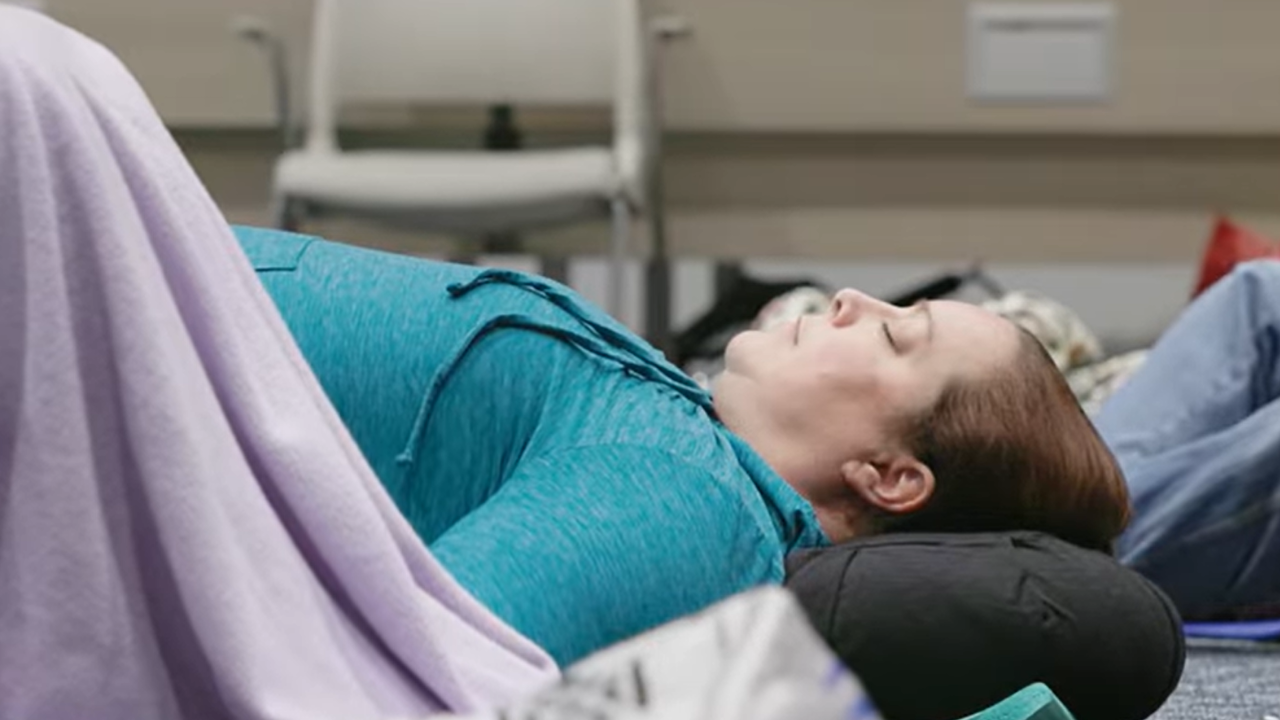
At UC Health, integrative medicine is designed to complement — not replace — neurologic care plans. The focus is evidence-based, whole-person treatment: sleep, nutrition, stress management, physical activity and non-pharmacologic therapies that work alongside traditional MS medications.
Kristen decided to start with acupuncture to address her chronic pain. The results were meaningful. Her pain improved. She began sleeping better. And as her physical discomfort eased, her mindset began to shift.
“When you’re in constant pain, it’s hard to think about anything else,” she said. “Once that started to lift, I felt like I could breathe again.”