Patient Stories

UC Gardner Neuroscience Institute’s Brain Tumor Center Team Keeps Newlyweds' Dreams Moving Forward

Jun. 5, 2026

Facing a brain tumor diagnosis just months after their engagement, Mason and Hannah found a care team committed to protecting not only Mason’s health, but the future they were determined to build.


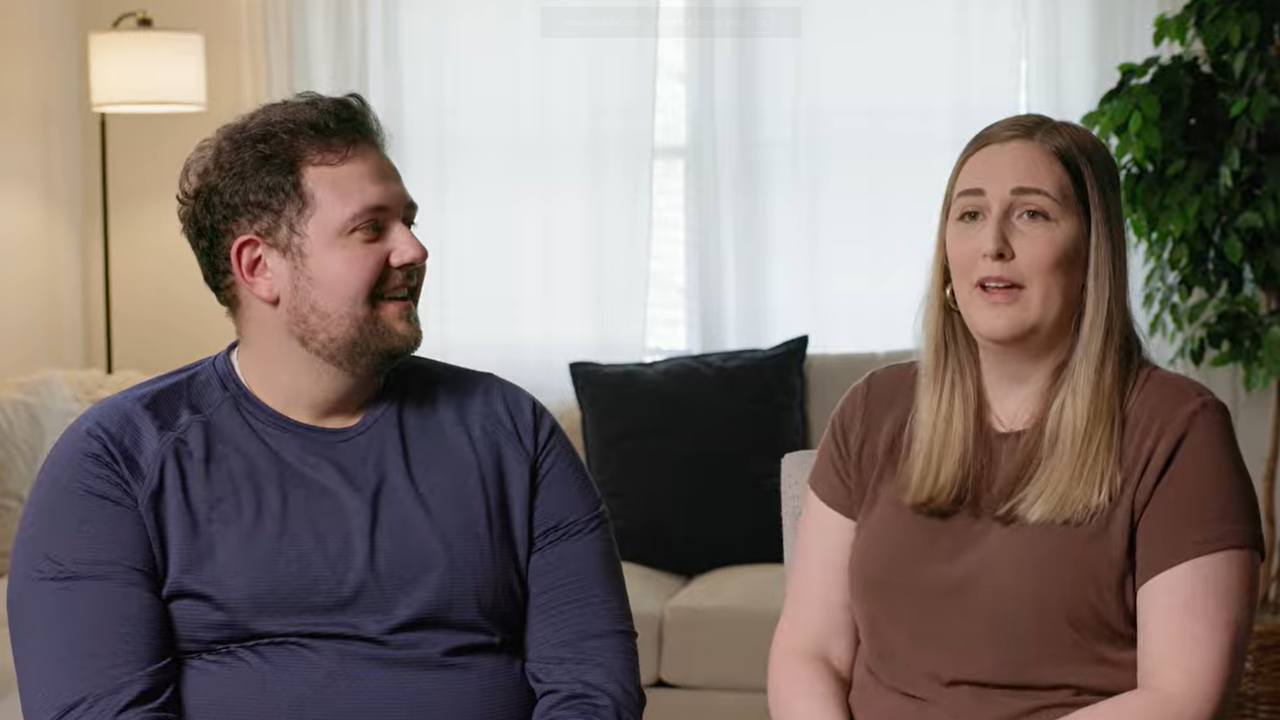
Mason and Hannah Lanthorn share their story of brain cancer treatment at the UC Gardner Neuroscience Institute Brain Tumor Center in Cincinnati, Ohio.

When Mason was diagnosed with a large brain tumor, he and his then fiancée, Hannah, were just beginning to plan their future and build their family. At the UC Gardner Neuroscience Institute Brain Tumor Center, his care team took time from the start to understand what mattered most to them.

  • Mason and Hannah Lanthorn were just beginning the life they had imagined together when a brain tumor diagnosis changed everything.
  • The UC Gardner Neuroscience Institute Brain Tumor Center team were advocates for their dreams, attentive to every need and available at all hours.
  • Their story isn’t defined by what happened, but in how they chose to face it—with each other, and a care team who treated them as people first.

At the UC Gardner Neuroscience Institute Brain Tumor Center, breakthrough treatments meet whole-person support at every step. Call 513-675-9656.

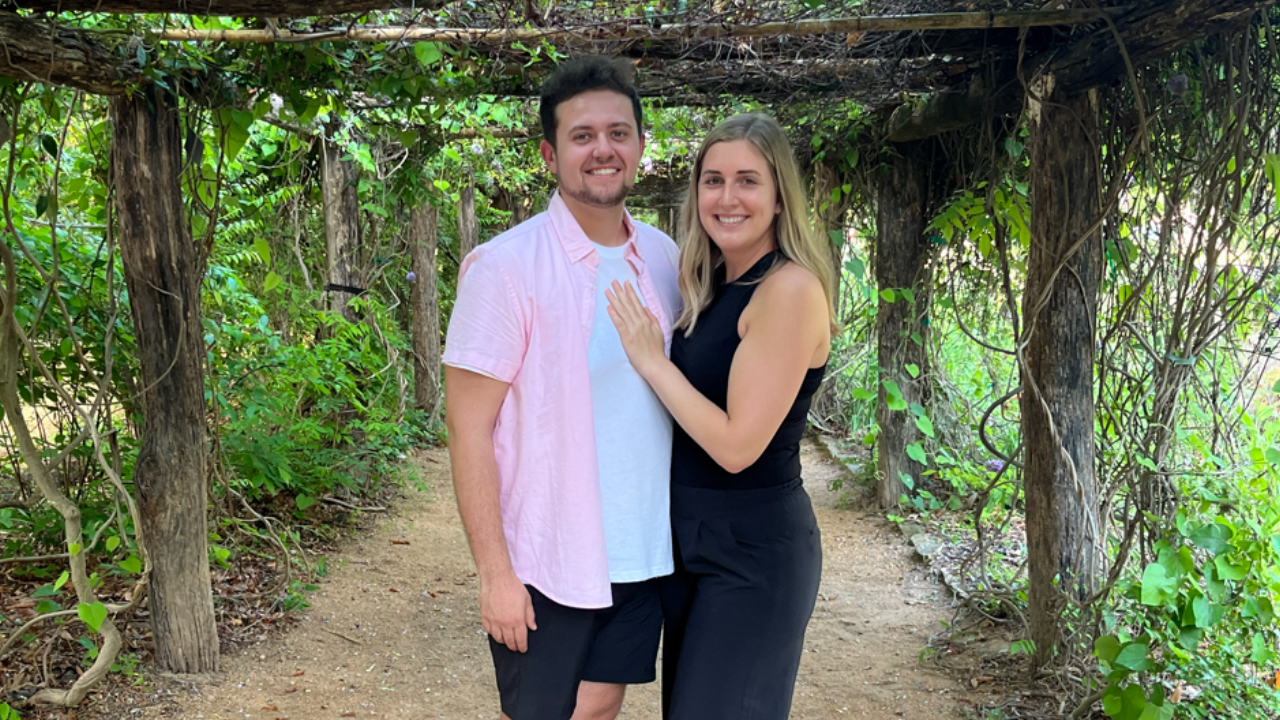
Mason and Hannah pose together under a trellis

Mason and Hannah pose together early in their relationship. | Photo provided by patient

An Instant Connection

When they met, Hannah had just started a travel nursing assignment at UC Health. Mason, a proud sixth-generation University of Kentucky graduate, was building his career at Fidelity Investments. Their first date, at a bar in Northern Kentucky, stretched on for hours.

“There was an instant connection,” Hannah said, smiling at the memory. “My family always made fun of me because I talked about how cute Mason was all the time.”

It didn’t take long for both of them to realize this would last. When Mason proposed at Hannah’s grandmother’s lake cottage—a place filled with years of family traditions and childhood memories—it felt perfect.

“I had no idea it was coming,” Hannah said. “It was really special.”

But just months later, their future took a sudden and unimaginable turn.

A Moment That Changed Everything

Mason and Hannah were running a simple Sunday grocery errand when Mason suddenly began pointing toward the ceiling and spinning in place. At first, Hannah thought he was joking.

“Mason, cut it out. What are you doing?” she remembered saying.

Then he collapsed. Mason was having a tonic-clonic seizure, which causes loss of consciousness and jerking of the limbs. Hannah knew then that something wasn’t right.

In the emergency department, a physician quietly closed the door before delivering the news. A CT scan showed a large brain tumor in Mason’s left frontal lobe.

While Hannah’s world seemed to collapse, Mason responded with characteristic calm.

“My mom and Hannah were both looking at each other like, ‘Oh no,’” he said. “And I was like, ‘Alright. Let’s get to it.”
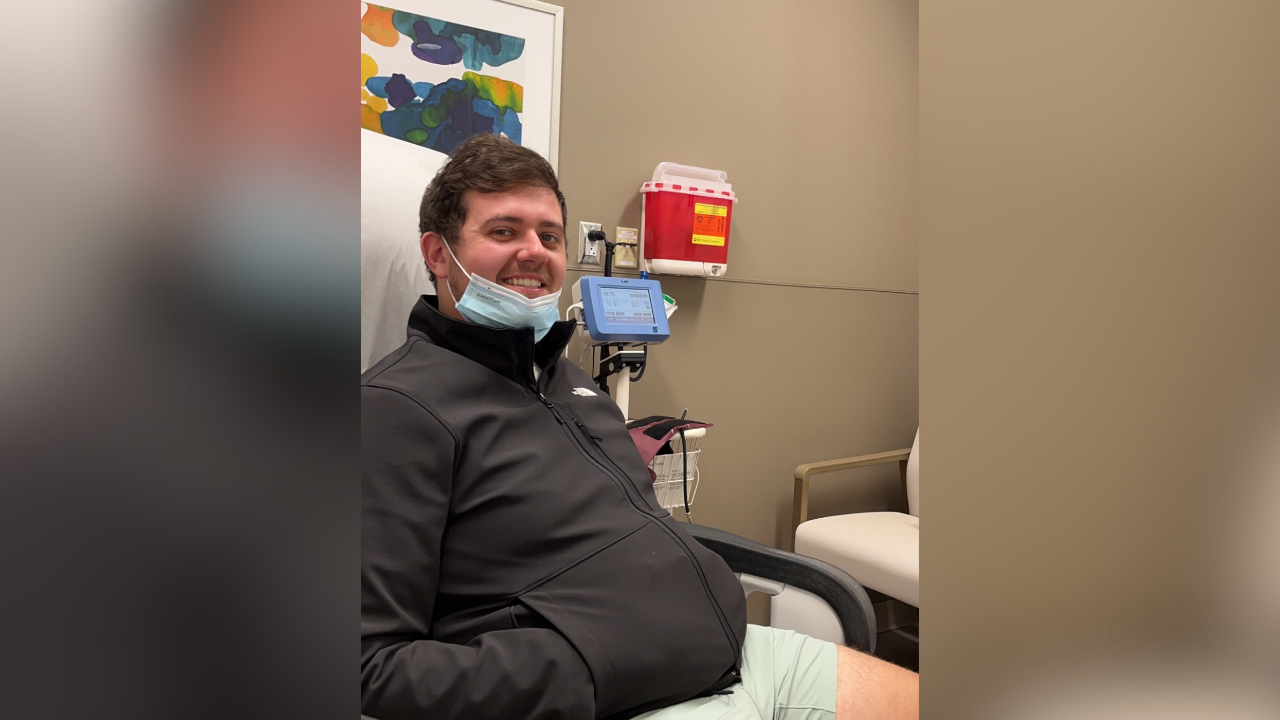
Mason smiles in an patient exam room before a consultation with his Neurosurgery team.

Mason before an appointment at UC Gardner Neuroscience Institute Brain Tumor Center. | Photo provided by patient

Treating Mason, Not Just His Tumor

Instead of wedding plans and dreams of starting a family, their days quickly filled with consultations, treatment protocols and difficult decisions.

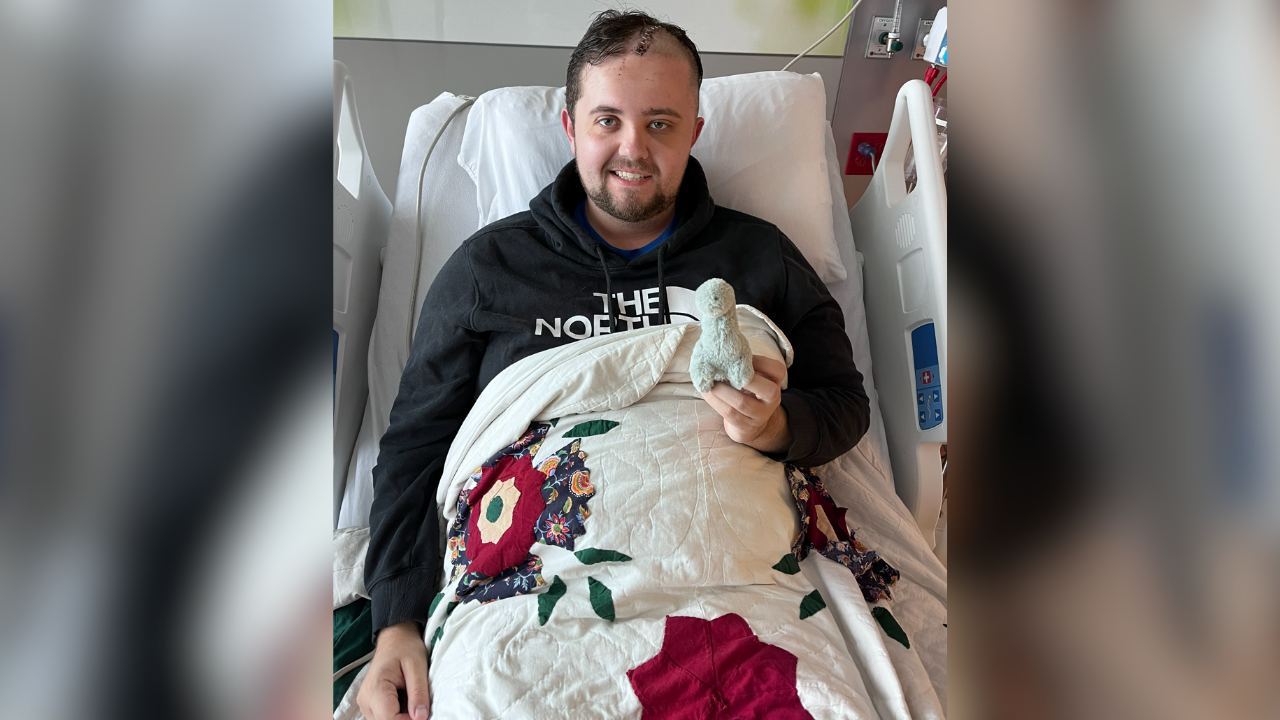
Soon after his diagnosis, Mason underwent an awake craniotomy—a complex procedure designed to remove as much of the tumor as possible while preserving his ability to speak.

“When they told me I’d be awake, I almost passed out,” he joked.

“The goal was for him to wake up the same person,” Hannah said.

Mason’s cancer treatment and care moved to the experts at the UC Gardner Neuroscience Institute Brain Tumor Center after surgery.

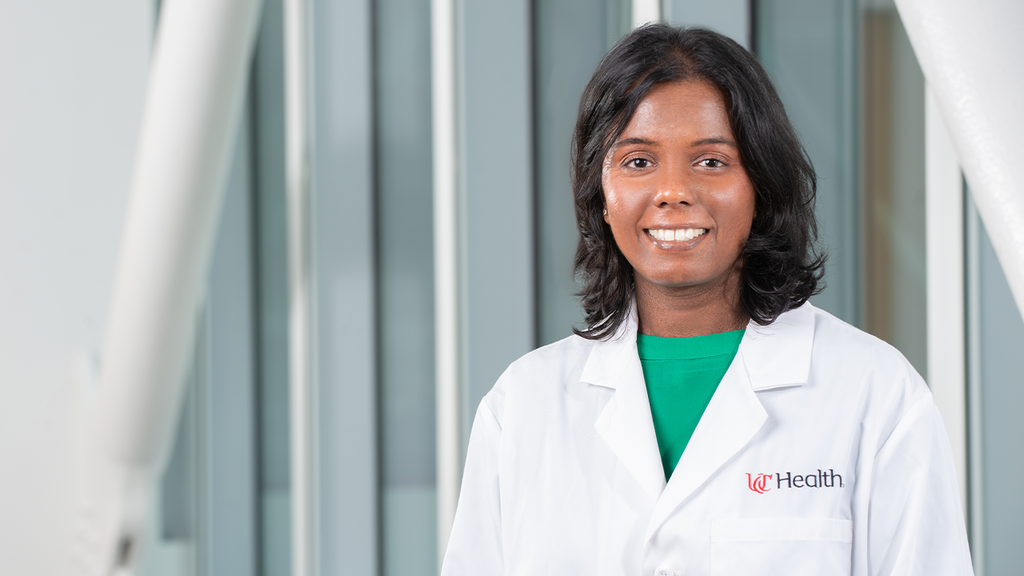
“[The diagnosis] definitely threw a wrench into their lives,” said UC Health neuro-oncologist Lalanthica Yogendran, MD. “A lot in the beginning was helping them come to terms with the journey they were about to take.”

Their care team recognized they weren’t just treating a tumor.

“It wasn’t just them,” Dr. Yogendran explained. “It was their families, too—everyone had questions about what came next.”

Mason recovering in a hospital bed, holding a small stuffed animal and under a quilt

Mason recovers after his awake craniotomy procedure. | Photo provided by patient

Living One Day at a Time

The road ahead wasn’t easy. And despite uncertainties along the way, Mason’s team never backed down—they knew they were equipped to take on even the toughest cases. Then came proton therapy, 36 radiation treatments received at the region’s only proton therapy center, and a year-long course of chemotherapy.

But even in those exhausting months, there were moments of humor and humanity. Mason remembered the custom-fitted immobilization mask used during radiation and the strange sensation of smelling onions during treatment — phantom smells triggered by stimulation in the brain.

“The (proton radiation) mask was interesting,” he said. “But it was kind of special that it was made specifically for me.”

The couple learned to measure time differently—not in months or milestones, but in moments of small wins.

“There was a point where we didn’t really look to the end,” Dr. Yogendran said. “We were looking at the next day.”

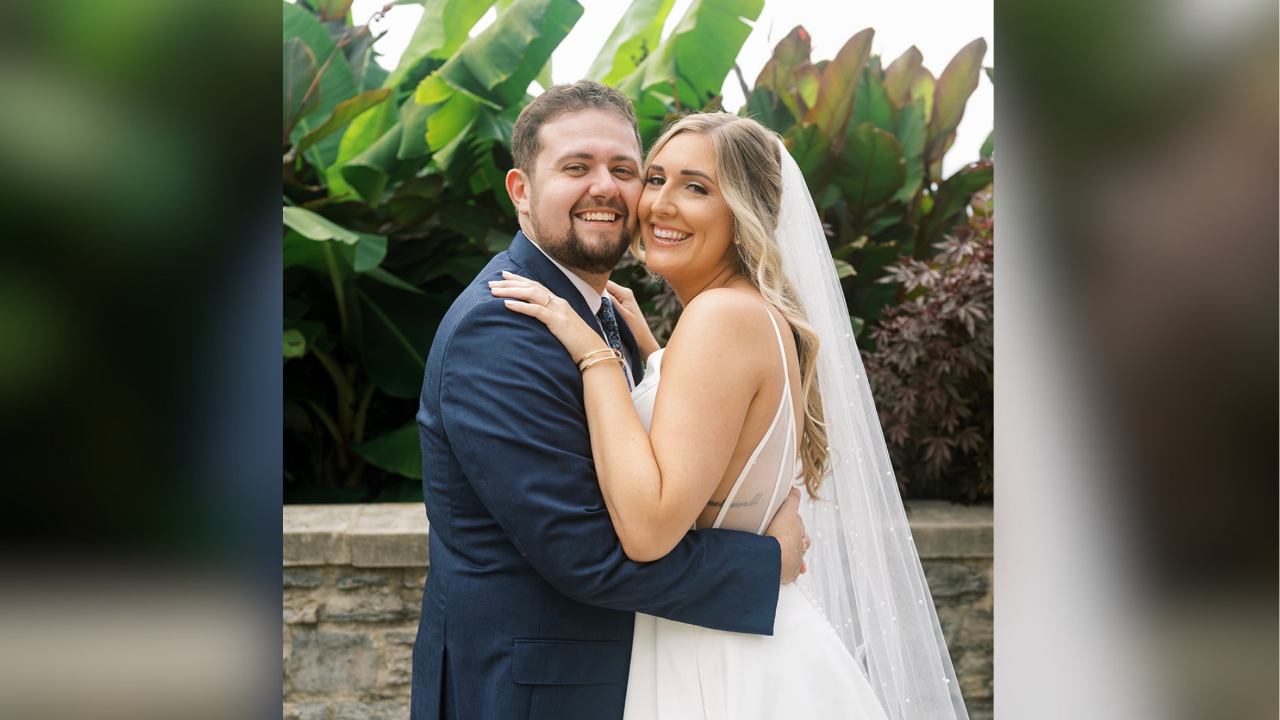
In the middle of chemotherapy, Mason and Hannah made a choice: they would not put their life on hold. They got married.

Mason made it through their wedding day before exhaustion caught up with him.

“We cut it short by about an hour,” Mason laughed. “I had to go to sleep.”

It may not have been the wedding they initially envisioned—but it was theirs.

Mason and Hannah give big smiles for the camera on their wedding day.

Mason and Hannah smile together on their wedding day. | Photo provided by patient

The Care Team That Saw the Whole Person

What carried them through wasn’t just treatment—it was people.

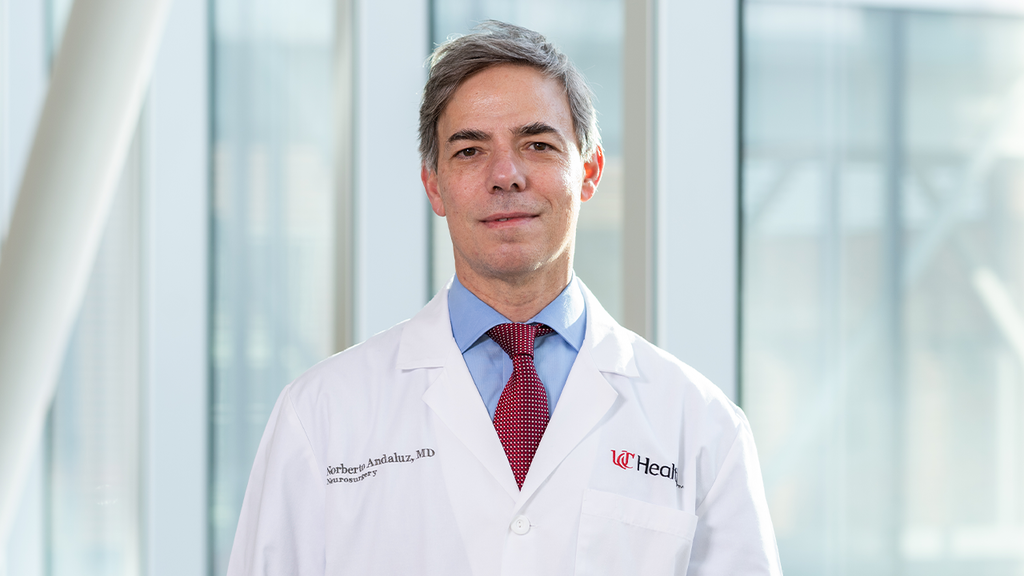
"Having everybody under one roof and coordinated clinics makes a tremendous difference. You limit the amount of traveling, the number of appointments — it allows you to coordinate the care better,” said Norberto Andaluz, MD, co-director of the Brain Tumor Center and neurosurgeon at the UC Gardner Neuroscience Institute.

“If I see a patient and they need an MRI, I have a radiation oncologist in my clinic and an oncologist next door.”

From nurse navigators to physicians, their care team became an extension of their support system. When emergencies happened, our team helped immediately. When barriers appeared, they quietly removed them. Having direct access to people who knew them, like brain tumor nurse Jenna Newton, meant everything.

“It’s fantastic that we have someone like Jenna,” Hannah said. “You don’t have to jump through hoops to talk to someone. It’s awesome.”

Jenna said every patient gets care centered around them. 

“The nurse navigator, Jamie Denlinger, and I work in tandem to make sure our patients are taken care of. The main way we support our patients is by simply being available. We are easy to get a hold of. We return calls quickly,” she said.

And through it all, the care was deeply personal.

“I never want a patient to feel like they’ve become the disease,” Dr. Yogendran said. “They are themselves—they just happen to have a disease.”

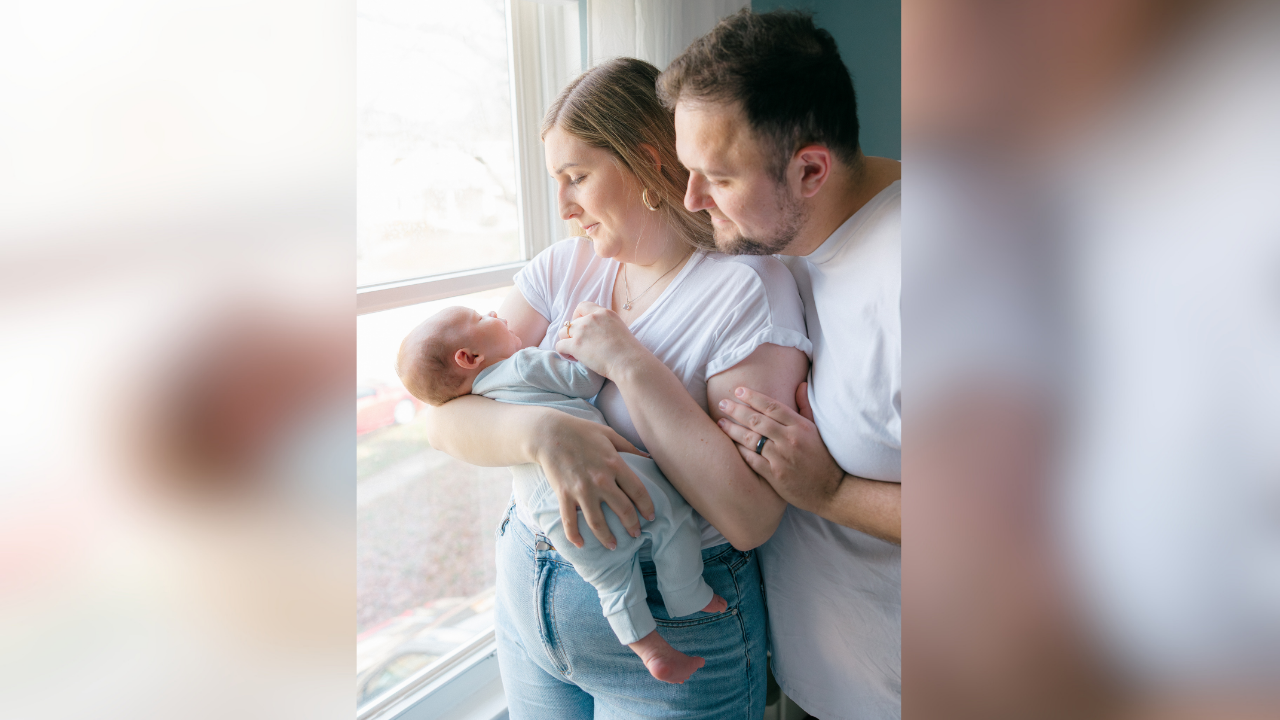
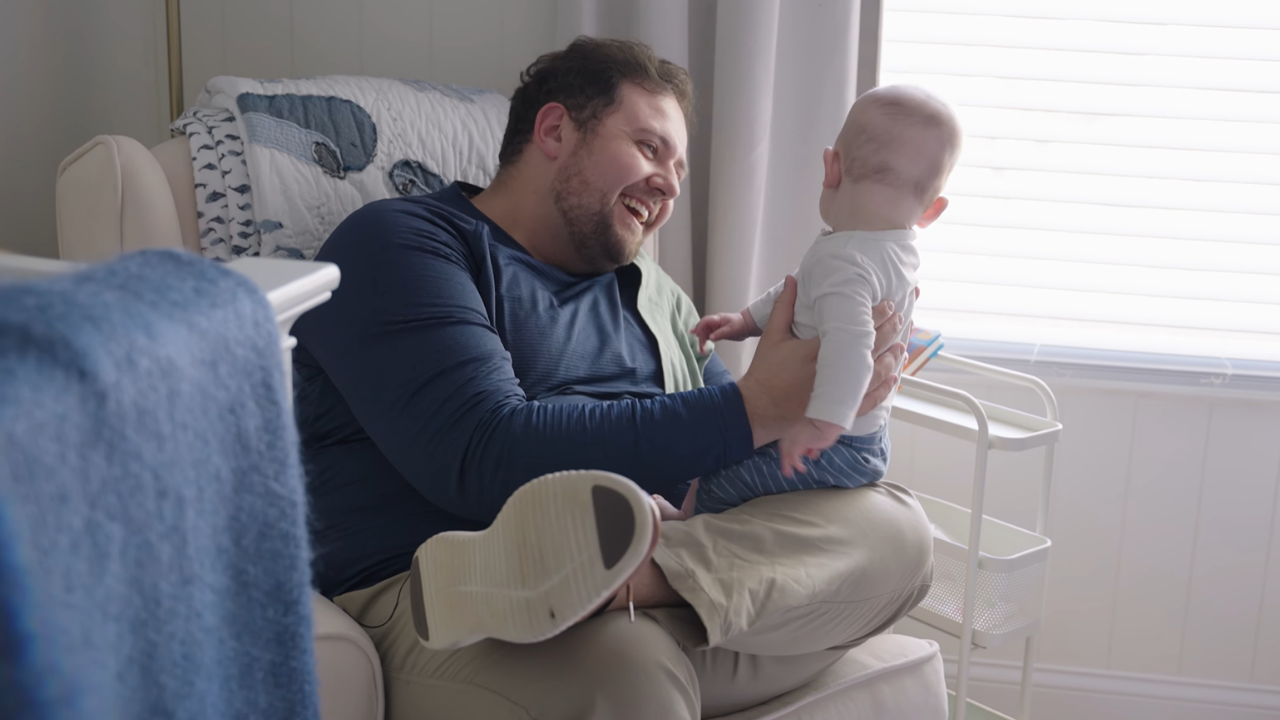
Hannah and Mason gaze at baby Charlie at home

Hannah and Mason with baby Charlie at home. | Photo provided by patient

Charlie: Their ‘Miracle Baby’

After treatment ended, ordinary life began to return in small, but sacred ways, including news they had hardly dared to hope for.

After fertility challenges and loss, Hannah became pregnant. Their son, Charlie, became what they lovingly call their “miracle baby.”

“There was a point in time where they were unsure if he would even be around long enough to create a family with Hannah, and that was a devastating thing to think about,” said Jenna.

For Mason and Hannah, Charlie is more than a new chapter. He is a daily reminder of everything they fought through — and everything still ahead.

'You have somebody at a young age with a brain tumor — all of a sudden, they're having children. You don't have any words for that,” said Dr. Andaluz. “That’s what keeps us going. One more vacation. One more spring break. One more graduation. Anything you can give a patient.”

Mason calls becoming a father to baby Charlie, "the best blessing ever".

A Team That Dreams With You

As the months passed and treatment slowly gave way to recovery, something else shone: Mason’s positive and grateful attitude. Caring for Charlie, returning to the workforce as a cashier at a local store, spending time with his friends and sharing every day with Hannah.

“I’m grateful every single day I’m here.”

Hannah feels that shift as well—not just in survival, but in how to live.

“The doctors and medical team… they are there for you,” she said. “There is so much unknown, but I think staying positive and knowing that life goes on. It just may change.”

Hannah is a dedicated Neuro ICU nurse at UC Health with a perspective few can teach, carrying both the knowledge of a nurse and the compassion of someone who has stood on the other side of care.

"She did not make that a negative in her life, but rather as an asset — a positive,” Dr. Andaluz said. “And how generous she is with sharing her experience — not just telling what happened to her husband but trying to help people. Because that's what nursing is all about.”

Today, Mason remains under surveillance with regular MRI monitoring every few months led by Dr. Yogendran. The appointments that once carried so much uncertainty now often end with cautious relief. After everything, Mason and Hannah are still building the life they dreamed of. And they are doing it the same way they have from the beginning: side by side.

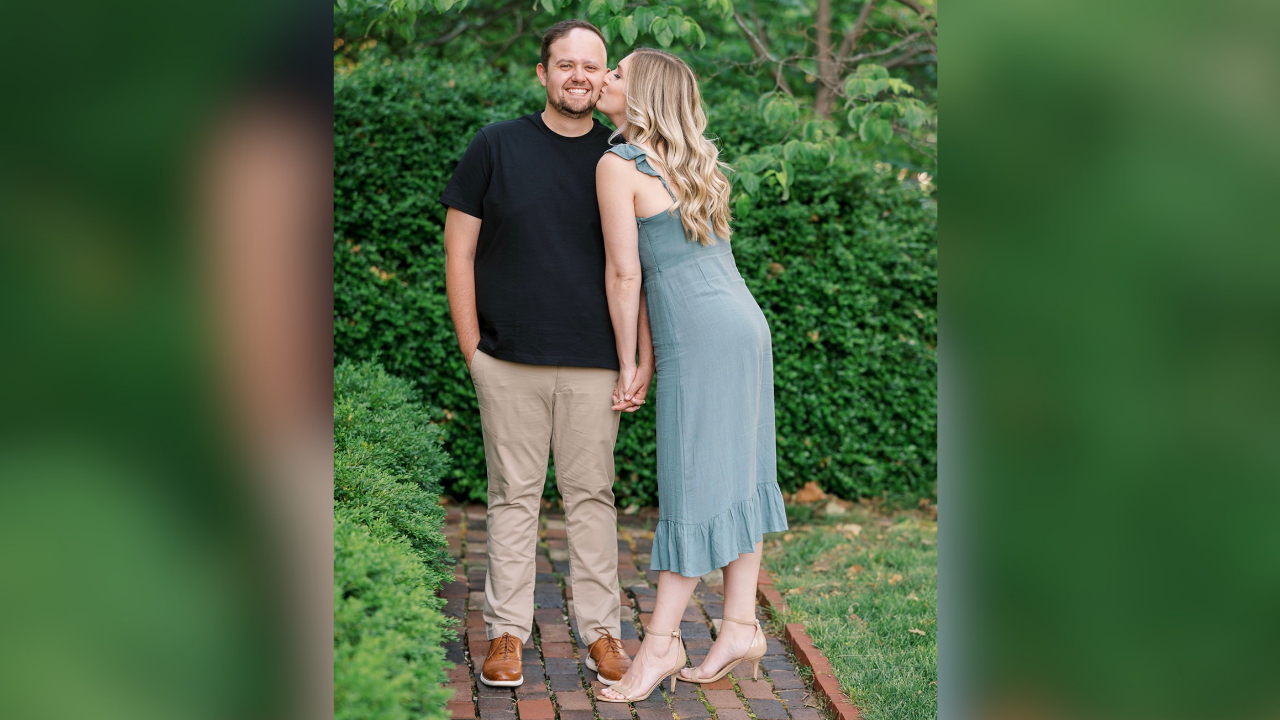
Hannah kisses Mason on the cheek

Together, Mason, Hannah and their care team talked through the immediate priorities of Mason's brain tumor treatment, what needed to come first and what could still be possible for their future. | Photo provided by patient

Why UC Health for Brain Tumor Care?

At the UC Gardner Neuroscience Institute Brain Tumor Center, patients like Mason receive more than advanced treatment—they gain a coordinated team committed to helping them keep moving forward. From diagnosis through survivorship, our experts bring together leading-edge science, compassionate support and whole-person care for patients and families facing brain tumors.

  • The region’s largest and most highly trained team of brain tumor specialists, surgeons, researchers and educators.
  • Access to clinical trials not offered elsewhere in the region, bringing new therapies and diagnostic tests directly to patients.
  • A dedicated nurse navigator who guides each patient throughout their care journey, providing support and clear communication at every step.
  • Coordinated, timely care in a single visit, where specialists discuss treatment options, education, resources and clinical trials together with patients.
  • Comprehensive survivorship support, including physicians, nurse practitioners, fertility specialists, therapists, dietitians, exercise physiologists, mental health care providers and more.

At the UC Gardner Neuroscience Institute Brain Tumor Center, breakthrough treatments meet whole-person support at every step. Call 513-675-9656.

Jenna Newton, RN
UC Gardner Neuroscience Institute

Nurse, Brain Tumor Center 

Jamie Denlinger, RN
UC Gardner Neuroscience Institute

Nurse Navigator, Brain Tumor Center 

x