Wellness

Neuropalliative Care at UC Health: Better Living with Neurologic Illness

Oct. 2, 2025

Neuropalliative care supports people with serious neurologic diseases—like Parkinson’s, dementia, primary brain tumors and ALS —through symptom relief, communication, and planning. It’s not just for end-of-life care. UC Health’s program, led by Dr. Lalanthica V. Yogendran, puts patients and care partners first.


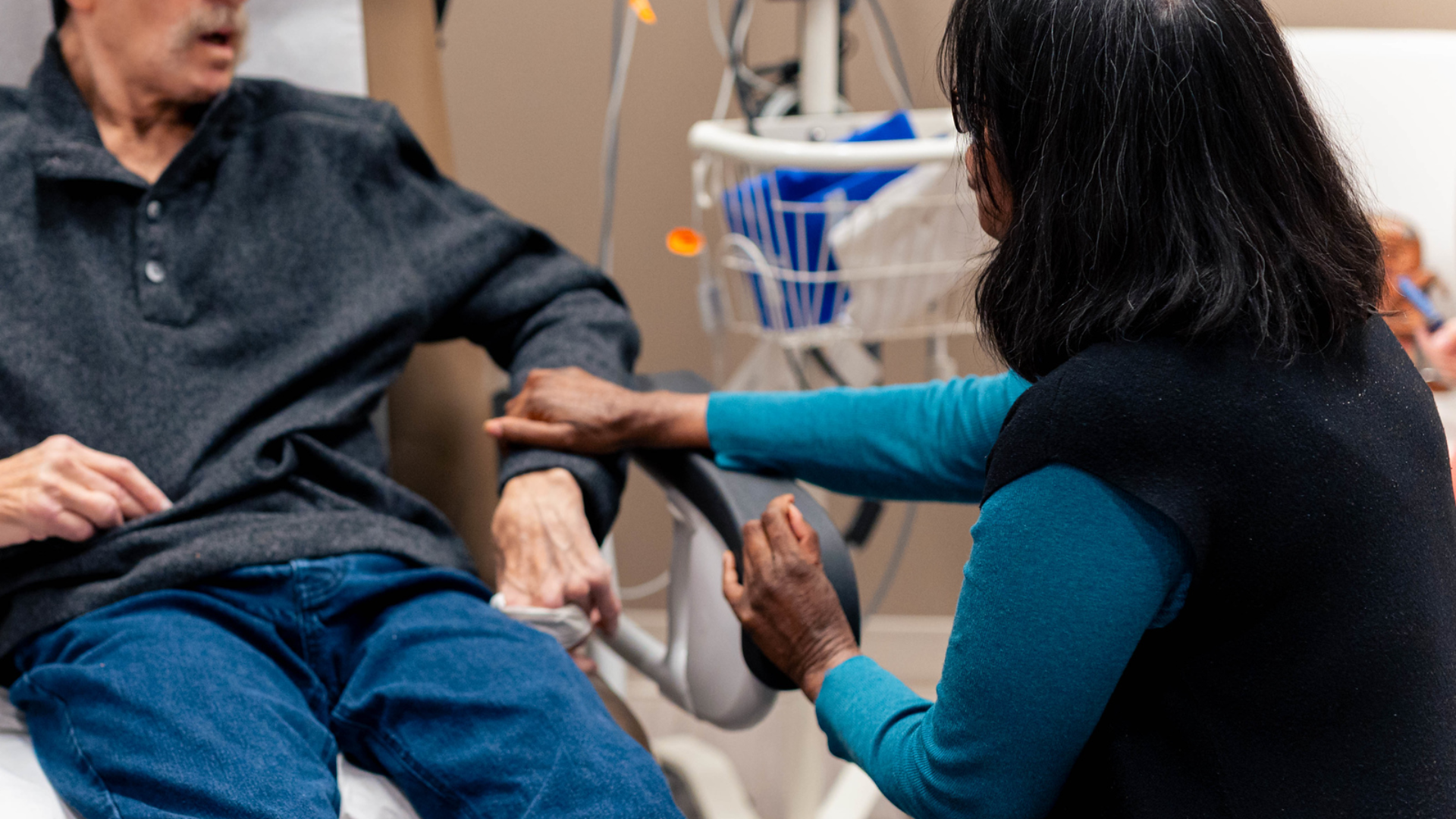
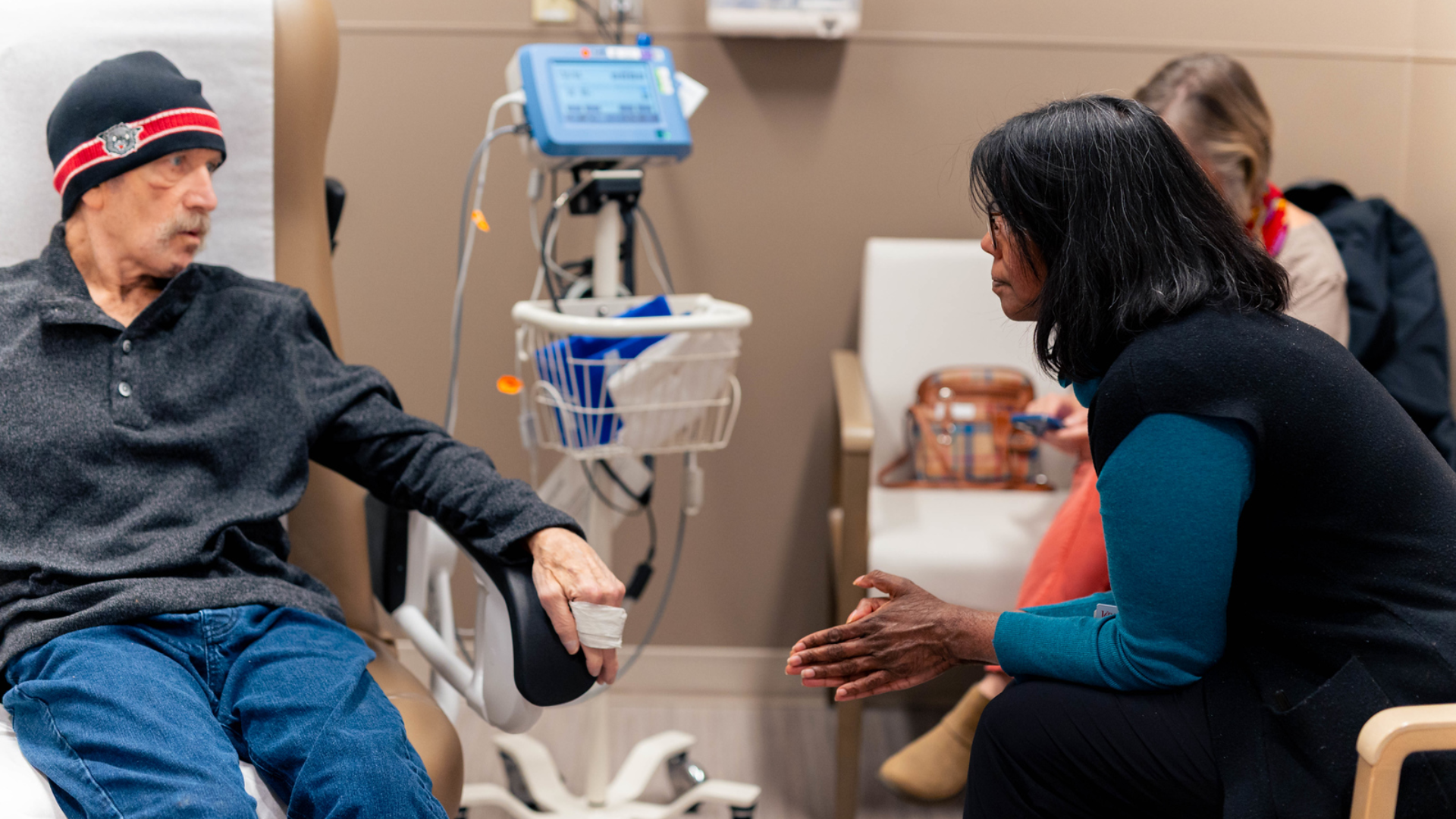
UCGNI physician meets with patient in clinical setting

What Is Neuropalliative Care?

If you or someone you love has a serious neurologic disease—like ALS, Parkinson’s disease, dementia, or a brain tumor—you may hear the term “neuropalliative care.” But what does it actually mean?

Neuropalliative care is a medical specialty that helps people live as well as possible with chronic critical neurologic illness. It focuses on relieving symptoms, supporting emotional and spiritual needs, and planning ahead for changes that may come. At UC Health, it’s provided by a dedicated team at the UC Gardner Neuroscience Institute with deep expertise in both palliative care and neurology.

This kind of care is not the same as hospice. While hospice is for people nearing the end of life, neuropalliative care is available at any stage of illness—even at the time of diagnosis. The goal is to improve the quality of life not just for patients but also for their care partners, this includes family members and friends.

Whether you’re adjusting to new symptoms or facing complex decisions, neuropalliative care can help you adjust and feel supported. It’s an extra layer of support designed to work alongside your current neurologist, primary care doctor and treatment plan.

Who We Help

Neuropalliative care is for anyone facing the challenges of a serious neurologic disease. At UC Health, this includes but is not limited to the following diseases:

These conditions often come with complex symptoms that affect day-to-day life—both physically and emotionally. Pain, stiffness, trouble moving, sleep disruptions, memory issues, and mood changes like depression or anxiety are all common.

Our neuropalliative team helps patients manage symptoms like:

  • Pain or muscle spasticity
  • sleep concerns
  • Fatigue and weakness
  • Cognitive changes and behavioral changes
  • Emotional stress and grief

We help people navigate the full scope of what these diseases bring—sleep, appetite, behavior, memory, and more. Every symptom matters. You don’t have to wait for symptoms to get “severe” to benefit. Neuropalliative care is about meeting you where you are—and supporting the life you want to lead.

How We Help

Neurologic diseases can affect nearly every part of life. That’s why UC Health’s neuropalliative care team focuses on the whole person—not just the diagnosis.

Our approach includes:

  • Expert symptom control
    From pain and muscle tightness to shortness of breath and extreme fatigue, we tailor treatments to help you feel better. We also address symptoms that are harder to talk about, like constipation, weight loss, or behavioral changes.
  • Advance care planning
    We help you think ahead—on your terms. That might mean naming a health care proxy, discussing future treatment choices, or creating a plan that reflects your goals and values.
  • Emotional and spiritual support
    Serious illness is never just physical. We talk through fears, support mental health, and work with chaplains and counselors to care for the whole self.

We don’t replace your existing doctors. Instead, we serve as a bridge—coordinating across specialties and visits to ensure no need is overlooked.

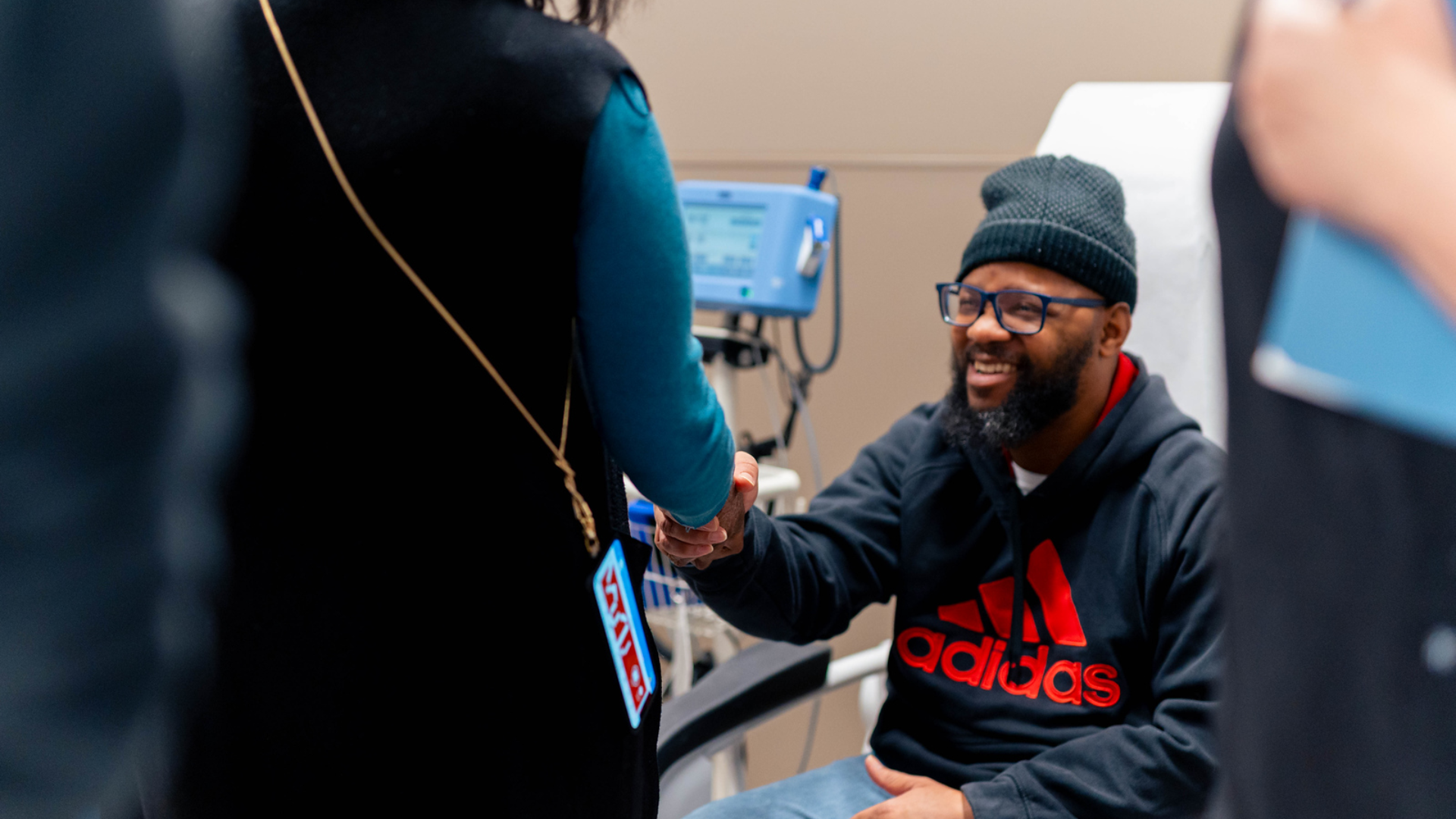
Patient and physician shake hands in medical setting

When to Call Us

A common myth about palliative care is that it’s only for the end of life. At UC Health, we want patients and families to know: neuropalliative care is most effective when started early.

You don’t need to wait until symptoms are severe or treatment options are limited. In fact, the earlier you involve our team, the more we can help:

  • Ease distressing symptoms before they escalate
  • Provide clarity in decision-making
  • Build a long-term care plan that adapts over time

When we’re involved early, we get to know the patient as a whole person. That’s how we deliver care that truly aligns with their values.

If you're wondering whether neuropalliative care is right for you or a loved one, talk to your primary care provider or neurologist. They can refer you directly to our team.

We work closely with your existing providers, so care feels continuous—not fragmented.

two older adults share laptop at kitchen table

Support for Caregivers

When a loved one is living with a serious neurologic disease, caregiving can become a full-time, emotionally demanding role. UC Health’s neuropalliative team is here for families and support networks—not just patients.

We help caregivers by:

  • Offering emotional support and one-on-one counseling
  • Connecting families to home health and respite services
  • Helping mediate tough conversations and care decisions
  • Providing guidance through uncertainty, burnout, and “decision fatigue”

By working with caregivers early and often, we reduce stress and help families feel less alone. We build trusted relationships to support not just care—but peace of mind.

Two women complete paperwork at a table

Meet Our Team

Neuropalliative care is led by Dr. Lalanthica V. Yogendran, the only dual-trained neurologist and adult neuro-oncologist in the region. She brings deep compassion, advanced clinical skill, and a gift for listening. Joining her are Sydney Loukoumidis and Misha Kincaide, integral parts of the team, guiding patients and their care partners every step of the way.

Dr. Yogendran and her team are part of the UC Gardner Neuroscience Institute, which brings together top experts in neuromuscular care, neurosurgery, neuropsychology, social work, and spiritual care.

We tailor each care plan by working side-by-side with the patient’s entire care network. Collaboration is our foundation. Whether through in-person visits or virtual check-ins, this small, focused team builds lasting relationships with patients and families. As needs change, so does the care.

FAQs About Neuropalliative Care

Is this the same as hospice?
No. Hospice is for people near the end of life, when a decision is made to transition for treatment targeting the disease is no longer effective. Neuropalliative care is for anyone living with a serious neurologic disease—regardless of stage. It’s about improving quality of life and planning ahead.

Will I lose my current neurologist or specialist?
Not at all. Our team works with your existing providers. We add an extra layer of support, not a replacement.

Can I keep getting treatment like physical therapy, surgery, or medication?
Yes. Palliative care can be provided alongside any active treatment. You don’t have to choose one or the other.

Do you offer tele-visits in addition to clinic visits?
This depends on your situation. Many of our patients are seen in the clinic, but we coordinate tele-visits when appropriate, easing the burden of traveling to the medical center.

Is this covered by insurance?
Most insurance plans—including Medicare—cover palliative care services. Our team can help you understand any out-of-pocket costs.

We get a lot of questions about whether seeing us means something is wrong. It doesn’t—it just means you want support for the road ahead.

x